

























































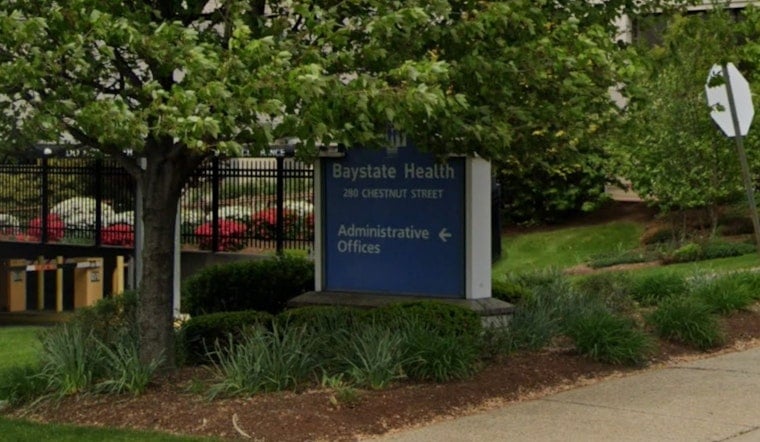
Baystate Health has told families in a Feb. 9 letter that it will stop prescribing gender-affirming hormones and puberty blockers for patients younger than 18, and that medication management for those youth will be handed off to another provider. The health system says it will continue to offer mental health and counseling services for children and adolescents while the prescribing role shifts elsewhere.
In the letter, signed by Dr. Matthew D. Di Guglielmo, Baystate framed the move as a way to protect its federal reimbursement and preserve access for patients, saying it was responding to an evolving regulatory landscape and warning of risks to Medicare and Medicaid dollars, according to the Boston Globe. The Globe reports that Baystate plans to work with Transhealth, a Western Massachusetts nonprofit, or with providers of the patients’ choice to transfer medication care, and that the system told families it will maintain mental health support for youth during the transition.
Federal rules at the center
The change tracks with new proposals from the Department of Health and Human Services and CMS that would bar hospitals participating in Medicare and Medicaid from providing gender-affirming medical interventions to patients under 18 and would prohibit Medicaid and CHIP funds from covering similar care for those under 19, as described in the Federal Register. Because most hospitals depend heavily on federal reimbursement, health systems across the country have started reevaluating how they care for transgender youth while the rules are under review. HHS opened the proposals for public comment in December, and the rulemaking process remains ongoing.
Baystate's financial squeeze
Baystate told patients that nearly 70 percent of the people it serves rely on Medicaid or Medicare and that protecting those funding streams is a core responsibility. The health system presented the change as necessary to avoid jeopardizing services for that majority, according to the Boston Globe. The Globe also notes that Baystate has cut jobs as part of recent restructuring, a move the organization has tied to broader financial pressures.
State officials defend care
Massachusetts officials have pushed back on federal actions that would curb gender-affirming treatment, stressing that such care remains legal and evidence based in the Commonwealth and belongs in the exam room between clinicians, patients and families. The Healey-Driscoll administration and the state Department of Public Health have pledged to protect access to these services and support providers who deliver them, according to the Healey-Driscoll administration.
Transhealth's role
Baystate says it is coordinating transfers to Transhealth, an independent nonprofit clinic in the Pioneer Valley that focuses on gender-affirming care. Transhealth's website states that the organization is accepting new patients and has publicly urged people to oppose the CMS proposals. CEO Jo Erwin submitted a comment describing the rules as an assault on families, according to Transhealth.
Legal implications
The CMS rules remain proposals rather than final policy. The Federal Register entry explains that they were published with a public comment period and are subject to further administrative and legal review. If finalized, they would force hospitals to choose between federal funding and providing gender-affirming care to minors, a dynamic that has already sparked litigation and pushback from multiple states. Providers and families are watching the rulemaking process and court challenges closely as the policy landscape continues to shift, according to the Federal Register.
What families can expect
Baystate says mental health supports will stay in place and that prescriptions for gender-affirming medications will be shifted to independent providers. Advocates and families warn that transfers, longer waits and uncertainty are likely as health systems adjust to the proposed federal rules. Local clinics such as Transhealth say they are preparing to absorb increased demand, but the broader patchwork of responses across the region means some families may still face disruption in care.




