

























































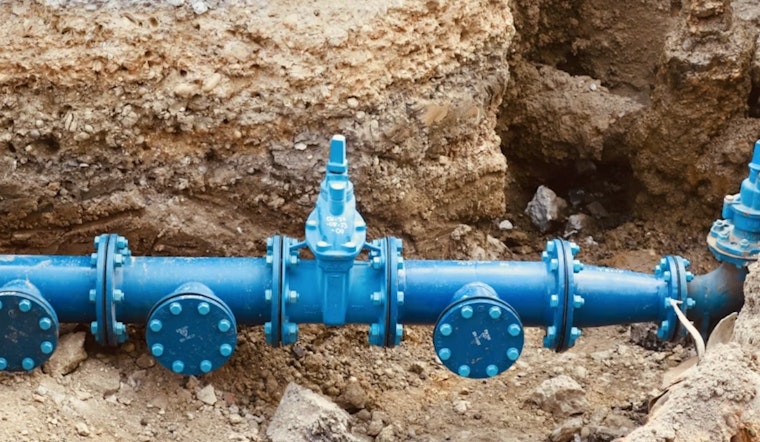
The water lifeline that keeps Zuckerberg San Francisco General Hospital running is getting a serious seismic makeover under Bernal Heights, and crews say the finish line is finally in sight. Workers have been swapping out aging sections of pipe for a modern, flexible system designed to keep water flowing to the city’s main trauma center even if a major earthquake hits. It is one slice of a yearslong push to fortify San Francisco’s water system before the much‑discussed “Big One” shows up.
According to CBS News, which aired a KPIX Bay Area report by Kenny Choi, the replacement segments use an earthquake‑resistant design built to “bend, not break,” with the goal of avoiding a long water outage at the hospital. The broadcast footage shows construction teams laying the new pipe along public streets just outside the ZSFG campus.
What the project covers
The San Francisco Public Utilities Commission says the effort is part of the College Hill Reservoir Water Distribution System improvements and includes installation of Kubota’s Earthquake Resistant Ductile Iron Pipe, known as ERDIP. As outlined by the SFPUC, crews are replacing about 4,000 feet of pipeline along Cortland Avenue in the current phase. Across several phases, the plan calls for as much as 14,000 feet of this pipe to better secure the water supply feeding the hospital.
How the new pipe works
SFPUC staff describe ERDIP as a segmented, chain‑like system whose joints can expand and contract, allowing sections of pipe to move with the ground instead of snapping apart. “These state-of-the-art pipes are part of our ongoing efforts to explore and invest in technologies that will ensure water reliability for our customers,” SFPUC Acting General Manager Michael Carlin said.
Industry coverage notes that this type of pipe has been used in Japan for decades without any reported major failures, and that the flexible joints are specifically engineered so the line can flex during strong shaking rather than separate, according to WaterWorld.
Why this matters at the hospital
Hospitals rely on a constant supply of water for surgery, sterilization, basic sanitation and even cooling systems, and a sudden loss can quickly undermine both everyday care and large‑scale emergency response. San Francisco has been gradually strengthening its emergency water and firefighting infrastructure in recent years; KQED has highlighted upgrades to pump stations, and the long‑running Water System Improvement Program launched after the Loma Prieta earthquake was detailed by the San Francisco Chronicle.
The CBS News shows workers on site saying the hospital pipeline is “almost finished,” with final tie‑ins and street restoration expected to follow. City officials did not offer a firm public completion date in the broadcast, and the larger seismic upgrade program is set to roll out in additional phases as funding and construction timelines line up.





