

























































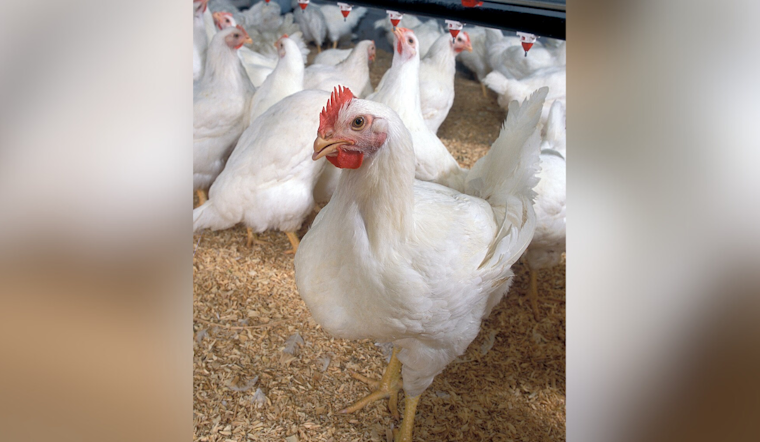
A Wicomico County chicken farm is the latest casualty of the lingering bird flu outbreak, after state agriculture officials said Tuesday that preliminary tests found highly pathogenic H5 avian influenza in a commercial broiler flock on the Eastern Shore. The property is under quarantine, and officials say the birds are being, or already have been, depopulated to keep the virus from spreading. None of the birds will enter the food supply. It is the first commercial farm detection in Wicomico County this year and the second presumptive H5 case in Maryland in 2026.
State Confirms Presumptive H5 Detection
According to the Maryland Department of Agriculture, samples from the broiler farm were tested at the Salisbury Animal Health Laboratory, then forwarded to the U.S. Department of Agriculture’s National Veterinary Services Laboratory for final confirmation. The department says quarantine and depopulation protocols are in place at the affected site to contain the highly pathogenic H5 virus and protect neighboring farms.
Initial word of the detection was reported by The Baltimore Sun, as producers on the Eastern Shore braced for yet another round of testing and cleaning.
Delmarva Has Seen Repeated Outbreaks
The Delmarva Peninsula, home to much of the region’s chicken production, has been hit with repeated highly pathogenic avian influenza detections in both commercial and backyard flocks since the wider U.S. outbreak began. Those detections have triggered quarantines and mass depopulation in several counties, a cycle growers on the Shore know all too well.
USDA’s Animal and Plant Health Inspection Service keeps a running online dashboard of confirmed commercial and backyard flock detections that shows hundreds of outbreaks nationwide since 2022. Local growers say that track record has kept biosecurity front and center across the Eastern Shore this winter, from tightened farm access to stricter disinfection routines.
Risk to People and the Food Supply Is Low, Officials Say
State and federal public health agencies continue to rate the risk to the general public as low, noting that human infections have largely involved direct contact with infected animals. The Maryland Department of Agriculture has reiterated that birds from the affected Wicomico flock will not enter the food system, a point officials keep stressing to shoppers who may be eyeing poultry cases a little more closely.
The Centers for Disease Control and Prevention has issued worker safety guidance for people who handle poultry and other animals during outbreaks, focusing on protective gear and hygiene. For routine grocery customers, officials say the immediate risk remains minimal.
What Backyard Owners and Neighbors Should Do
The Wicomico County Health Department, a member of the Delmarva Avian Influenza Task Force, is urging residents not to touch sick or dead wild birds and to report unusual poultry illness to state authorities. Backyard flock owners are being asked to tighten biosecurity by keeping birds away from waterfowl, securing feed so it does not attract wild visitors, limiting people coming onto their property, and disinfecting footwear and equipment after any farm visits.
County public health hotlines and state animal health teams can walk residents through how to report suspicious bird deaths and when testing may be appropriate.
What This Means for Consumers and the Market
Officials emphasize that depopulated birds from the Wicomico farm will not enter the human food chain, a standard safeguard meant to reassure consumers even as headlines pile up. A single farm detection does not automatically translate into empty shelves or immediate price spikes at the store.
Still, repeated outbreaks across the region have previously strained processors and contributed to spot price pressure in some markets, according to federal outbreak tracking and local reporting. Final confirmation from the federal laboratory is expected in the coming days, and state officials say they will keep producers and the public updated as new information comes in.
For more on local guidance, residents can check with the Wicomico County Health Department, and for broader tracking they can review federal animal health data from USDA APHIS.



