

























































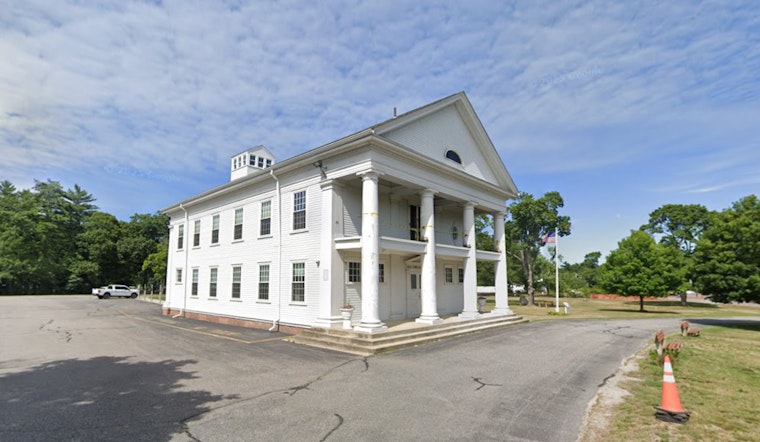
On Feb. 10, the Halifax Board of Selectmen voted 2-1 to amend the town’s municipal aggregation contract, approving a modest increase to the supply rate to close a roughly $166,000 shortfall. The change lifts the aggregation supply price to $0.15285 per kilowatt-hour and is expected to add about $7 to the average household’s monthly electric bill. Town officials said the move is meant to steady the aggregation program and keep participants paying below standard utility Basic Service rates.
Why the increase was needed
Colonial Power, the town’s municipal aggregation manager, told selectmen that a late-January blizzard combined with surging ISO-New England day-ahead ancillary services charges pushed the program roughly $166,000 over projection. ISO-New England’s Day-Ahead Ancillary Services Initiative (DASI) shifted reserve costs into the day-ahead market, which can make pass-through charges much more variable, a design change that municipal consultants say can produce large charges during extreme weather, per ISO-New England. As reported by South Shore News, the board was asked to authorize the town administrator to sign an amendment with First Point Power to reconcile the deficit, and the presentation by Colonial Power framed the increase as a contractually required reconciliation.
How much households will pay
The amended aggregation rate of $0.15285 per kWh remains slightly below National Grid’s current Basic Service rate of $0.15372 per kWh, so the town says enrolled households will still be paying less than the default utility pricing. Based on typical usage, program managers estimate the change will add about $7 per month to the average household bill. Selectman Tom Pratt objected to asking residents to cover what he called “a broken equation,” but the motion passed 2-1, according to South Shore News; for the Basic Service comparison see Scituate.
Low-income solar and other relief
The board also signed an MOU for a low-income community solar program that will automatically deliver roughly a 2 to 2.5 cent per kWh discount to qualifying residents for 20 years, at no cost to the town. Officials said the program is intended to blunt the impact of market volatility on vulnerable households, and enrollment details will be handled through the supplier and town notices. The meeting recording and related materials are available from the Area 58 municipal channel for residents who want to watch the presentation and vote; see Area 58 for the recording.
How this fits a regional pattern
Halifax’s move mirrors other Massachusetts communities that have adjusted aggregation rates since ISO-New England implemented DASI and a prolonged cold snap drove ancillary charges higher. Town notices and local reporting in nearby municipalities describe similar reconciliations and warn that the volatility could persist into upcoming Basic Service cycles. For example, municipal notices such as Cheshire’s rate update outline the same strike-price dynamics and the contractual provisions that allow suppliers and aggregation managers to reconcile unanticipated pass-through costs; see Cheshire.
Next steps
Town leaders say budget work will continue and program details will be communicated to residents in the coming weeks. The town’s Annual and Special Town Meeting warrant is open, and citizen petitions must be submitted to the Town Clerk by 4:30 p.m. on March 10; the warrant notice is posted on the town website. Residents with questions can review the Board of Selectmen meeting recording or contact the Selectmen’s office for more information.





