

























































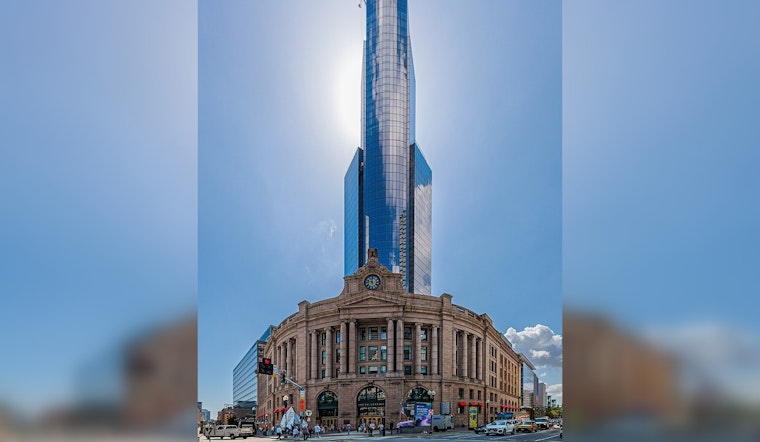
Boston’s once-busy office-construction scene has cooled to a slow crawl, slipping back to levels the city has not seen since 2017. Instead of a steady drumbeat of new towers, there is a short list of high-end projects like South Station Tower and a lot of projects sitting on the shelf. With vacancies still stubborn and money harder to borrow, developers are in no rush to gamble on big speculative office bets.
According to CoStar Analytics, Boston’s office construction pipeline “has reached pre‑pandemic lows not seen since 2017,” and the report says developers have paused a number of planned projects while demand stages a slow recovery. CoStar framed the slowdown as a response to elevated vacancies and tighter lending, and its analysis, published Feb. 12, 2026, reserved full detail for subscribers. Local brokers say the pullback is most obvious in the kind of large, speculative towers that once powered downtown development.
The most visible recent delivery is Hines’ South Station Tower, a 51‑story mixed‑use project with roughly 680,000–690,000 square feet of office space that opened in late 2025 and is only about one‑fifth leased. The Boston Globe reported that JPMorgan Chase has been in talks to take roughly 250,000 square feet at the tower, which would make it the building’s largest tenant, and Hines has publicly confirmed earlier deals such as leases with Jones Day and FM Global. Even with those headline commitments, market watchers say the deals alone will not quickly bring back the volume of speculative starts the city saw in the late 2010s.
Why developers are pausing
Owners and lenders point to stubbornly high vacancy and rising construction costs as the core reasons for the slowdown, a trend local reporting and national brokers back up. Boston.com documented that vacancies remained elevated through 2025 even as leasing activity picked up, while CBRE reported that the national construction pipeline and completions have both pulled back, reducing the appetite for risky new projects. Developers are increasingly focused on finishing current builds or converting space rather than betting on fresh, large speculative towers.
Life sciences and flight-to-quality
Part of Boston’s peculiar picture is what is still being built. A large share of recent starts skews toward life‑science labs, institutional projects or top‑tier, amenity‑heavy offices rather than generic Class B product. Tracking firms such as Yardi Matrix show Boston continues to rank high in total square feet under construction, but much of that stock is specialized or pre‑leased. That mix shrinks the pool of truly speculative office inventory and makes lenders and developers more selective about new starts.
What to watch next
One big question is whether the rumored JPMorgan deal at South Station Tower actually signs and what early‑year absorption numbers look like. A single large consolidation can shift lender sentiment and tilt the market back toward new starts. Local trade coverage and filings, including a reported signage application and ongoing lease talks noted by Banker & Tradesman and other outlets, offer the clearest early signals. For now, Boston’s office market appears headed for a slow, uneven recovery that favors quality projects and conversions over sheer volume.





