

























































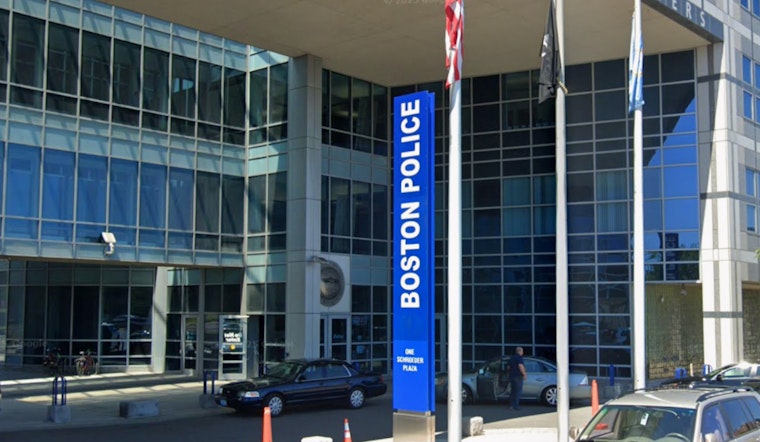
Boston’s police watchdog is finally flexing its legal muscles. Yesterday, the Office of Police Accountability and Transparency (OPAT) served subpoenas on nine Boston Police officers, ordering them to show up at a commission meeting scheduled for tomorrow. It is the first time the civilian oversight office has used the subpoena power created after the 2020 reform push, and officials say they are prepared to ask a Superior Court judge to step in if officers refuse, setting up a potential courtroom clash with the department and police unions.
The commission voted unanimously to issue the subpoenas for nine officers, and Executive Director Evandro Carvalho called the move “a significant … step forward in the execution of the duties of our agency,” noting that it is the first time OPAT has exercised that authority, as reported by The Boston Globe. Carvalho declined to release the officers’ names. If they comply, their testimony before the Civilian Review Board will likely take place in executive session while the board weighs several misconduct cases.
A Power Written Into City Law
The Office of Police Accountability and Transparency was created by city ordinance, and the commission was explicitly granted subpoena authority to compel testimony and documents as part of the post-2020 reforms, according to the City of Boston. Supporters said that power was meant to make civilian oversight something more than advisory. OPAT leaders now say they are ready to use the tools the law already put on the books.
Where Police Leadership Stands
Police Commissioner Michael Cox, in a written response to the Civilian Review Board, has argued that discipline decisions should be rooted in Internal Affairs findings and limited by state law and collective bargaining agreements, as reported by The Boston Globe. OPAT leaders say they reject that reading of their role and have started drafting another letter to the commissioner as both sides try to sort out how oversight is supposed to work in practice.
Union Resistance
Union leaders have not exactly rushed to embrace OPAT’s authority. The Civilian Review Board’s correspondence cites a 2023 communication from the Boston Police Superior Officers Federation stating that sworn officers “are not expected or required to participate in OPAT investigations,” and a January 2025 letter from SEIU Local 888 declaring that its members will not attend OPAT meetings. Those exchanges are included in the board’s records on the City’s OPAT site.
Legal Options and the Court Test
If the subpoenaed officers do not show up, OPAT can ask Superior Court to enforce the orders and seek contempt findings. The Boston city code spells out the commission’s authority to subpoena witnesses, compel the production of documents, and, by vote, pursue enforcement in court. Taking that step would almost certainly invite litigation over jurisdiction and protections written into the department’s bargaining agreements.
What to Watch
Whether the officers comply, the department issues an internal directive, or the fight lands in front of a judge will decide whether OPAT’s statutory powers translate into real leverage over police misconduct cases. Community groups and neighborhood outlets have already voiced frustration with how slowly reforms seem to be moving and say they will be watching Thursday’s meeting and any court filings closely, as reported by the Dorchester Reporter.



