

























































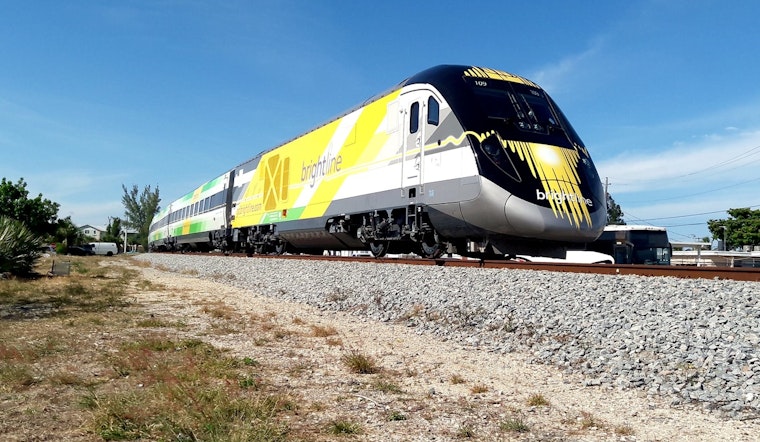
Brightline's latest numbers tell a split story: the trains between Miami and Orlando are drawing paying customers and squeezing more dollars out of each trip, but the clock is ticking on a shaky credit outlook that analysts say could catch up with the railroad as soon as next year.
South Florida riders return even as pricing shifts
According to a monthly ridership and revenue report filed with lenders and described by WLRN Public Media, Brightline's short-haul ridership within South Florida jumped about 25% in January compared with a year earlier. That surge helped short-haul revenue climb even though the average fare on those trips dropped.
The long-distance picture was more complicated. Brightline told lenders that long-distance ticket revenue rose roughly 17% in January, even as long-haul ridership slipped about 2%. The average long-distance fare landed at about $80, roughly 20% higher than a year before, reflecting the push to lean more on price than volume.
One big shift has been in commuter passes. Riders using the old discounted monthly pass had accounted for about 35,000 rides per month. The replacement pass logged roughly 22,000 rides in January, a change first spotlighted when the program returned with a 125 percent price hike.
Ratings cuts crank up the pressure
The ridership story comes with a harsh financial footnote. In a report this month, KBRA cut Brightline Florida's municipal rating and flagged that operating shortfalls had already forced the company to tap a debt-service reserve account to make its January payment.
KBRA warned that "this operating underperformance has led to continued draws on the project's liquidity reserves, further weakening its financial position and increasing the risk of default as early as January 2027." In other words, the ridership gains are welcome, but they have to accelerate and hold if Brightline wants to avoid a much rougher financial stretch.
More cash from bags and bookings
To close the gap, Brightline is working harder to wring extra dollars out of riders who are already on board. The company told lenders that "baggage fees continue to be the fastest growing revenue stream" after a recent round of higher charges, a change that produced about a 91% jump in baggage revenue.
Executives also reported signing a contract with a large global reservation network that is expected to be operating before the end of March. The goal is to tap new corporate-travel channels and push more direct bookings, another short-term lever the company hopes will fatten the sales pipeline without waiting on entirely new markets or routes.
Asset sales and new borrowing on the table
On top of fare and fee tweaks, Brightline has been looking for fresh liquidity wherever it can find it. The Sun Sentinel reported that the operator has sought roughly $100 million from lenders and put a Fort Lauderdale parking garage up for sale as part of a broader effort to stockpile cash for operations and debt service.
Company filings reviewed by media outlets also say executives have been exploring a sale of a substantial portion of the business in order to repay creditors, a step that would mark a significant shift for the still-young Florida rail line.
The bigger financial picture
Credit rating agencies have moved quickly in response to the strain. Bloomberg reported that S&P cut Brightline's municipal bonds five notches in December, citing what it called a material deviation from earlier growth expectations and a higher probability of default.
Those downgrades sit alongside bruising financial results. Palm Beach Now reported that Brightline lost about $549 million in 2024, a figure that helps explain why analysts describe the company's runway as narrow and highly dependent on turning recent ridership momentum into durable cash flow.
Key warning signs to watch
The next stretch of months will likely determine whether Brightline stabilizes or drifts closer to the worst-case scenarios sketched out in bond research. Credit watchers note that without sustained growth the company could burn through its remaining reserves within the coming year. In its downside scenario, KBRA says the project's liquidity could be depleted by January 2027.
For riders and the cities that host Brightline stations, the markers will be concrete: whether the global reservation-network deal is live by the end of March as planned, and whether ridership and average fares keep climbing fast enough to stop further draws on the reserves that are currently keeping the trains, and the bond payments, on track.





.jpg)