

























































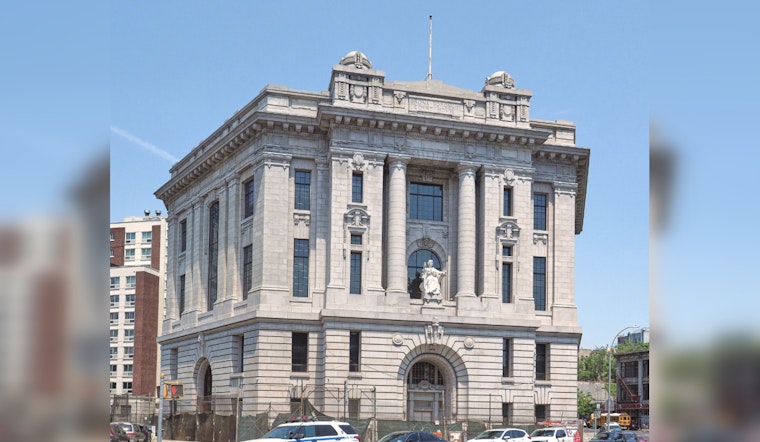
In Bronx Housing Court, Judge Krzysztof Lach presided over nearly 60 eviction cases as more than a dozen individuals waited outside in cold weather for their appearances. Inside the courtroom, cases accumulated while landlords and tenants, many meeting their attorneys for the first time, worked to reach last-minute agreements or request additional time to secure assistance. The process has led to delays lasting several months, during which tenants face increasing rent balances, unresolved apartment conditions, and the possibility of eviction.
As Sasha Jones reported for Bisnow, Judge Krzysztof Lach had 58 cases scheduled on a single calendar, and the courthouse operated in a manner that a state bar subcommittee previously characterized as cattle call justice. The report identifies the Bronx as a focal area within New York City’s housing system, where eviction filings are concentrated and court calendars tend to be particularly extensive.
Why The Backlog Keeps Growing
Policy changes, the effects of the pandemic, and staffing reductions have contributed to a growing gap between legal provisions and court outcomes. A report from the New York City Comptroller found that active eviction cases increased by roughly 440% after the moratorium ended, while tenant representation rates fell to about 30% in March, even though nearly 89% of tenants with legal counsel remained in stable housing. The report also highlighted high staff turnover at legal-services organizations and reductions in city staffing, which slow rental-assistance processing and extend court timelines.
Bronx Feels The Pinch
Analyses of housing data indicate that the Bronx experiences a high number of eviction filings and ranks near the top of the city in filing rates, contributing to heavy caseloads in local courthouses. This concentration corresponds with neighborhood poverty levels, resulting in a single courthouse managing a significant portion of the city’s housing cases according to Eviction Lab. In the neighborhoods most affected, tenants may wait several months for hearings, during which rent arrears can accumulate, repairs may be delayed, and housing instability can increase.
Programs That Help - And Their Limits
Upstream interventions can prevent some evictions, but they do not eliminate the need for court capacity. Enterprise Community Partners reports that its Home 4 Good pilot helped about 112 tenants secure more than $1 million in arrears assistance and is planned to scale up to serve thousands. Advocates note that programs like this rely on faster agency processing and available court time to convert relief funds into long-term tenancies, as reported by Enterprise Community Partners. Without quicker action from HRA and DSS and additional court resources, rental-assistance funds may remain unused while eviction proceedings continue.
Landlords Push Back In The Courts
Property owners are also seeking to accelerate proceedings by filing lawsuits that demand enforcement of statutory scheduling rules and faster case resolution. Law firms representing property coalitions, such as Kucker Marino Winiarsky & Bittens, have challenged extended delays and urged the Office of Court Administration to clear calendars rather than routinely adjourning cases, as noted by Kucker Marino Winiarsky & Bittens. These legal actions place additional pressure on the system and demonstrate that any long-term solution will require more resources and improved coordination across agencies.
What Comes Next
Proposed solutions include adding judges and courtroom staff, placing rental-assistance teams at initial appearances, and expanding prevention programs such as Home 4 Good. Implementing these measures requires funding and consistent political support. Meanwhile, Bronx tenants, lawyers, and property owners continue navigating a courthouse where timing, staffing, and financial resources influence case outcomes. Reporting from Bisnow and public records indicate that the backlog stems from policy decisions, resource limitations, and legal reforms that have not yet been fully coordinated.



