

























































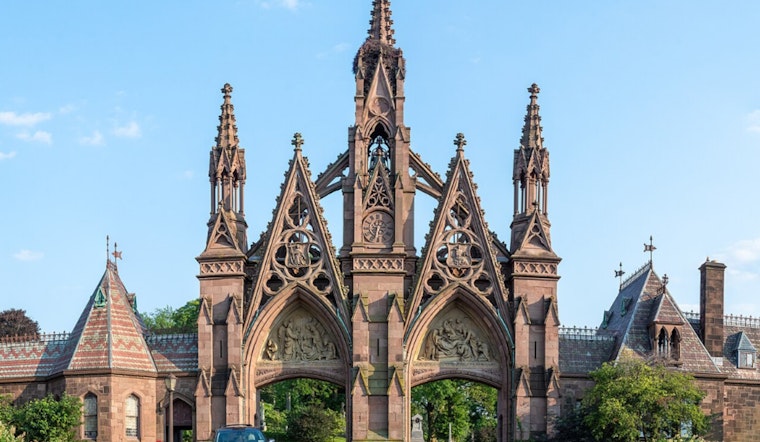
In Brooklyn, Green-Wood Cemetery is adopting an environmentally-conscious method for end-of-life care with the introduction of human composting, also known as "terramation." As reported by Gothamist, this process, which transforms human remains into fertile soil, is scheduled to begin in 2027 and offers an alternative to traditional burial and cremation.
Meera Joshi, President of Green-Wood Cemetery, emphasized the sustainability aspect of human composting, noting a growing interest in environmentally-friendly end-of-life options. According to Joshi, as reported by Gothamist, terramation replicates the natural decomposition process, similar to a fallen tree in a forest. In this method, unembalmed remains, combined with organic materials in a specialized vessel, take approximately 40 days to transform into around 200 gallons of nutrient-rich soil, with the process taking place at Green-Wood.
While terramation represents a step toward sustainability, it has also faced some criticism. Gabrielle Gatto, a death doula and manager of public programs at Green-Wood, told CBS News that the process provides an environmentally-friendly option that aligns with personal values. At the same time, certain religious leaders have expressed concerns that human composting may conflict with traditional customs and practices related to death and burial.
Human composting has faced opposition from several faith communities. Trent Horn, a staff apologist with Catholic Answers, stated that human remains "should not be treated like manure or fertilizer." Similarly, representatives from Jewish and Muslim communities have noted that terramation does not align with their traditions of honoring the deceased, as highlighted by Rabbi Andrew Schultz and Ibad Wali, vice president of the New York branch of the Council on American-Islamic Relations, in interviews with CBS News.
At the intersection of sustainability and cultural practice, Green-Wood Cemetery is preparing to offer human composting as an alternative to traditional burial. The initiative addresses both environmental concerns and the management of cemetery space in a densely populated city. By introducing terramation, Green-Wood provides New Yorkers with a new option for end-of-life care that reflects changing attitudes toward space and ecological impact.





_cropped.jpg)