

























































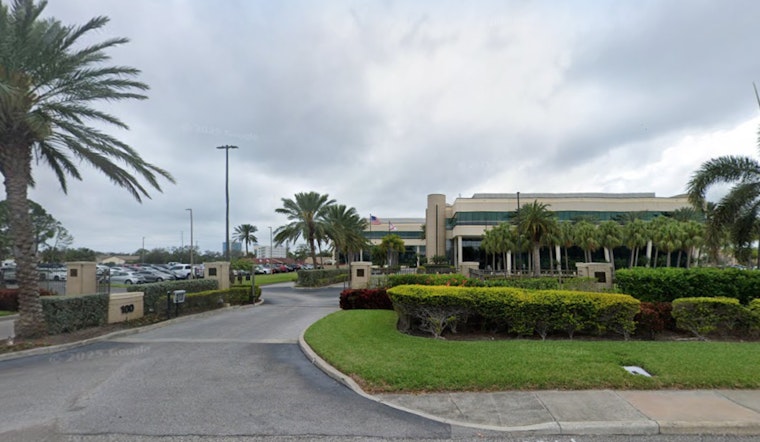
A Pinellas County jury is now set to step into one of Clearwater’s most painful chapters, with a trial scheduled for Oct. 5, to decide who must pay to remove more than 300 graves found beneath the FrankCrum corporate campus and a stretch of Missouri Avenue. The discovery, tied to the long-lost St. Matthews Baptist Church cemetery, has reopened a decades-old wound and pitted descendants, community advocates and the company that sits on the site in a high-stakes legal fight. FrankCrum maintains it did not know burials were still there until archaeologists mapped the property, and it wants the city’s redevelopment agency to cover the costs of exhuming and relocating the dead.
The October trial date was set by a Pinellas County judge, as reported by WTSP/10Investigates. FrankCrum sued in 2023, arguing that a written development agreement given to a previous buyer said the land no longer contained human remains and that the Clearwater Community Redevelopment Agency should be responsible for paying to exhume and relocate any graves, according to the Tampa Bay Times. Court filings and local coverage indicate the company is seeking damages and legal fees it says could be significant.
How archaeologists mapped the graves
Archaeologists used ground-penetrating radar followed by test trenches and confirmed at least 328 grave-like anomalies beneath the office complex and the neighboring slice of Missouri Avenue, according to reporting by WMNF and local television coverage. Early radar scans in 2020 flagged dozens of possible burials. Fieldwork through 2021 and 2022 expanded that number and uncovered coffin fragments and other signs of interments, a body of evidence that helped set the stage for the lawsuit now heading to trial.
What FrankCrum says in court
In its complaint, FrankCrum says it bought the property in 2004 based on written assurances that the site had been cleared of human remains. The company is asking a judge to rule that the city’s redevelopment agency must pay to remove and respectfully relocate any burials that remain, as outlined in coverage by the Tampa Bay Times. FrankCrum points to the earlier development agreement, which it says stated the property “did not presently include human remains from any cemetery,” and argues that language shifted the risk, and the financial burden, away from the current owner and onto the agency.
Community reaction
Descendants, NAACP leaders and neighborhood activists have called for those buried at the site to receive either respectful reburial or restoration of the cemetery, along with a memorial that clearly recognizes who is there. They have told reporters they want openness from officials and dignity for their ancestors, as documented by WMNF and other outlets. City leaders, in turn, say they are wrestling with legal and financial limits. Clearwater Mayor Bruce Rector told 10Investigates he is not certain public money should be used to resolve the situation, according to WTSP/10Investigates.
What to watch at trial
When jurors take their seats in October, they will be asked to decide whether that earlier development agreement and the redevelopment agency’s past assurances make the agency financially responsible for exhuming and relocating the graves, or whether the cost should land somewhere else. An appeals court recently refused to shut the case down, clearing the way for a full trial, The Independent reports. That means key questions about who said what, and who knew what about the graves, will be aired in open court.
Backstory
St. Matthews Baptist Church acquired about 2.5 acres for a cemetery around 1909, and city records show burials there officially ended in 1940 amid segregation-era shifts in how Black burial grounds were handled, according to the Tampa Bay Times. Community researchers and archaeologists say the 328 identified anomalies are likely part of a much larger network of graves that were supposed to be moved in the mid-20th century but in some cases appear to have been paved over instead.
Archaeological work and local reporting have suggested the broader area could contain more than 500 burials, and experts caution that carefully excavating and respectfully reinterring everyone could come with a steep price tag, potentially reaching into the millions of dollars, according to The Independent and regional coverage.



