

























































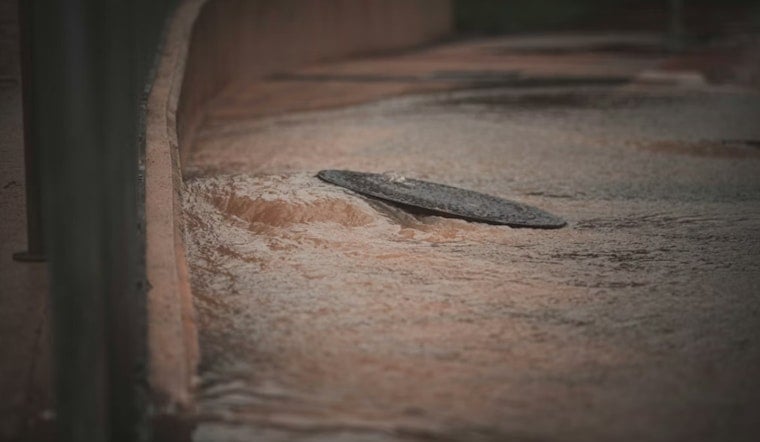
One Southeast D.C. homeowner says a routine night in early February turned into a disaster when a DC Water main burst and sent an icy torrent into her basement, rising to about three feet and forcing her out of the house she has lived in for 23 years.
Deatrice Waters told reporters the water rushed in so fast her bed and belongings were nearly floating. The city put her up in a hotel on New York Avenue for two weeks while crews handled cleanup and emergency repairs, but Waters now fears she may have to leave the longtime family home for good.
According to WJLA, Waters said she was jolted awake by neighbors’ screams and believes she “could have died” if they had not warned her about the flooding. The outlet reports the city provided hotel housing while remediation began and quotes Waters describing three feet of water in her basement as she tries to salvage what she can, frustrated by what she characterizes as slow responses from the utility.
Her ordeal is part of a broader cold-weather mess. The late January into early February cold snap left the region’s plumbing vulnerable, with pipes splitting and flooding buildings across the area. Montgomery Community Media reported that a ruptured sprinkler pipe in a Silver Spring high-rise displaced residents in 166 units. In the District, a burst pipe at George Washington University Hospital temporarily forced ambulances to divert while damage was addressed, according to NBC4 Washington. Officials have said the unusually frigid temperatures left many service lines and internal systems at risk of splitting, which in turn triggered cascading flooding problems.
DC Water, which has been juggling other system issues this month, told WJLA that residents should first contact their property insurance after experiencing damage, and said the utility is coordinating with city agencies on responses. The agency has also posted public updates on the Potomac Interceptor response and repair timeline, including sampling results and repair-status notes for the wider system, according to DC Water.
What residents should do
If your home was damaged, start with documentation. Take photos and video of every affected area and item, keep receipts for temporary housing, cleanup, and repairs, and file a claim with your insurer as quickly as possible.
Tenants whose units are uninhabitable should document their displacement, notify building management in writing, and reach out to city emergency services about temporary housing and available resources. Keeping a detailed log of conversations with landlords, contractors, insurance adjusters, and utility crews can make a big difference when it comes time to resolve claims or disputes.
Potential legal fallout
An owner on the same block told reporters she is weighing legal action over basement flooding and related damage, which could lead to civil claims depending on who is ultimately found responsible. Cases like this often turn on maintenance records, the timeline of repairs, and whether any negligence or building code violations occurred, so thorough documentation will be central to any fight that lands in court.
For now, residents say their focus is more immediate: finding stable temporary housing, salvaging what is left, and getting clear, written estimates for the long list of repairs that lie ahead.





