

























































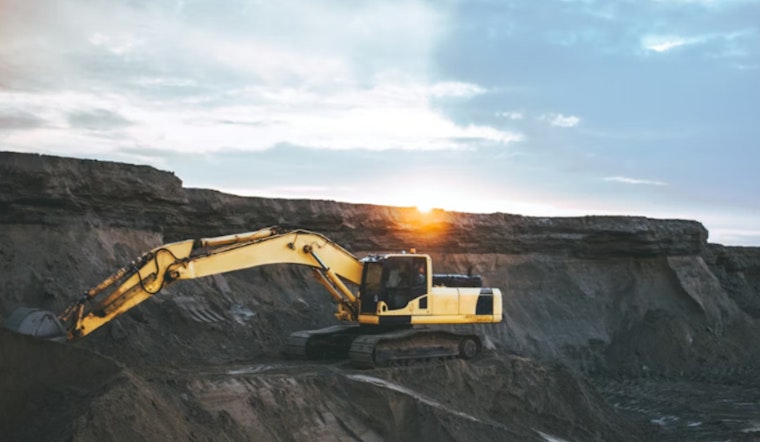
A Canadian company, New Earth Resources Corp., is seeking approval to add about 268 acres of state trust land in Gila County to its Lucky Boy uranium project near Globe. The request would nearly double its land position in Arizona and comes amid ongoing debate over uranium mining in the state.
The targeted parcel sits beside the past-producing Lucky Boy mine, where the company has begun winter exploration. The proposal will be reviewed by the Arizona State Land Department under state trust land rules.
According to the Phoenix Business Journal, New Earth has applied for an approximately 268-acre mineral lease that would be contiguous with its existing Lucky Boy holdings and, by the company’s math, nearly double its current land package. The company issued the same basic news in a press release through GlobeNewswire, casting the extra acreage as a way to bulk up its position and give itself more room to plan future exploration. Company materials also stress that the new ground is only at the application stage and there is no guarantee the state will sign off.
Lucky Boy's history
Lucky Boy sits in central Gila County and carries the kind of history that keeps junior miners coming back for a second look. The property includes small open-pit and underground workings that shipped uranium ore in the 1950s and again in the 1970s. Historical mine registers and technical surveys document those past shipments and note remaining radiological anomalies in the area, suggesting there may still be material worth testing.
A technical report from the Environmental Protection Agency on technologically enhanced radioactive materials in Arizona, along with historic mine records, lays out the Lucky Boy workings and nearby uranium occurrences in detail. EPA records provide background on how the site operated in the past and what kinds of residual contamination risks regulators look for in Arizona mining districts.
How Arizona's mineral leases work
For New Earth, getting control of the state trust parcels is only one piece of the puzzle. Under Arizona law, mineral leases on state trust lands typically run for twenty years and come with a checklist of requirements before any production can start. That includes submitting a general mining plan, posting reclamation financial assurance and meeting other environmental and operational protections.
The Arizona State Land Department oversees those leases. The agency reviews applications, coordinates cultural and environmental review steps, and requires detailed maps, environmental questionnaires and bonding information from would-be lessees. State statutes set rental and royalty terms and give the land commissioner discretion to approve or reject leases based on what best serves the trust beneficiaries. The Arizona Revised Statutes and agency guidance spell out those rules, and the department provides process and contact information on its website. Arizona State Land Department
What the company says
New Earth has pitched the application as a straightforward land play designed to tighten its grip around Lucky Boy.
"The application for additional state lease ground represents a logical extension of our existing land position at Lucky Boy," CEO Lawrence Hay said in the company’s release.
The company has also told investors it is not just shuffling paperwork. An exploration campaign was mobilized in January, and the firm has lined up recent financings to fund its 2026 work program, according to GlobeNewswire, NS Energy Business and trade notices. Those reports show the company working both in the field and in the capital markets. Private placements described in the financial press, including Investing.com, outline how investors have recently been courted to back the plan.
Local concerns and the bigger debate
Even a relatively small uranium project in Arizona does not exist in a vacuum. The state’s uranium story comes with decades of controversy over water, cultural resources and tourism, and those fights still color how new proposals are received.
In 2012, the Department of the Interior pulled roughly 1 million acres near the Grand Canyon from new mining claims for 20 years in response to those concerns, as conservation groups warned that more mines could put regional watersheds and sacred sites at risk. Those high-profile battles help explain why uranium proposals routinely draw close scrutiny during state and federal reviews. Department of the Interior materials and conservation commentary offer the broader backdrop to what is unfolding around Lucky Boy. Local reviewers, however, will still have to weigh this project on its own environmental, cultural and hydrological record.
What comes next
For now, New Earth’s application sits with the Arizona State Land Department. The agency can ask for additional technical reports, proof of bonding and cultural-resource consultations before it makes any decision about issuing a lease. That kind of review can take months, and members of the public typically have ways to monitor or comment on pending state-land actions.
New Earth has told investors it will issue material updates as developments unfold. Residents who want to track the Lucky Boy lease request more closely can reach out to the Arizona State Land Department for information on how to follow the application through the process.




