

























































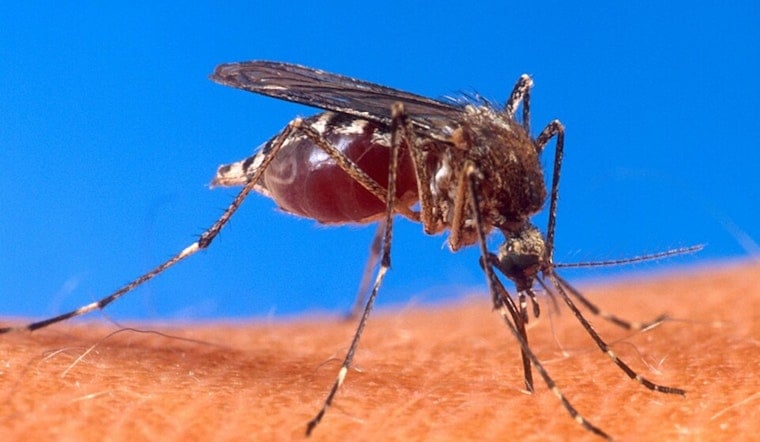
Americans pulling up flight deals for winter and spring getaways are being told to add one more item to the pre-trip checklist: watch out for chikungunya. Federal health officials have issued new alerts after outbreaks of the mosquito-borne virus were detected in multiple countries this month. The illness, known for causing fever and intense, sometimes debilitating joint pain, has been resurging in several regions and is prompting renewed talk about surveillance and vaccination. Travelers headed to affected areas are being urged to ramp up mosquito-bite precautions and to talk with their health care providers about vaccine options when appropriate.
Which Countries Are On Alert
The U.S. Centers for Disease Control and Prevention has issued Level 2 travel-health notices, meaning “practice enhanced precautions,” for outbreaks in Bolivia (Santa Cruz and Cochabamba Departments), Cuba, Seychelles, Sri Lanka and Suriname, according to the CDC Travel Health Notices. Seychelles and Suriname were added on Feb. 5, and Bolivia was added on Feb. 11, 2026, as part of the latest updates. A Level 2 notice tells travelers to strengthen protective measures against mosquito bites and to consider vaccination where it is recommended before departure.
How Chikungunya Spreads And What It Does
Chikungunya spreads through the bite of infected Aedes mosquitoes. Symptoms usually hit fast, with sudden fever and severe joint pain typically appearing three to seven days after exposure. Rash, headache and muscle aches are also common. Most patients recover within about a week, yet joint pain can linger for months or even years for some, and the risk of severe illness is higher for newborns, older adults and people with chronic medical conditions, according to the World Health Organization. Public-health experts caution that infected travelers can introduce the virus to new areas if local mosquitoes bite them during the first days of illness, when the virus is still circulating in their blood.
Vaccine Options And Safety
A single-dose recombinant chikungunya vaccine, VIMKUNYA, has been recommended for people aged 12 and older who are traveling to outbreak areas, according to a company release from Bavarian Nordic. The shot is given as a single intramuscular dose and is intended for travelers whose plans put them at elevated risk for exposure. In contrast, Valneva has stated that it voluntarily withdrew its U.S. filings for its live-attenuated chikungunya vaccine, IXCHIQ, after the FDA suspended the product’s U.S. license while safety reviews are underway, per Valneva’s statement.
How Travelers Can Protect Themselves
Health officials say the most reliable defense against chikungunya is simple in theory, if not always in practice: do not get bitten by mosquitoes. The CDC advises using EPA-registered insect repellent, treating clothing and gear with permethrin, wearing long sleeves and pants, and choosing lodging with window screens or air conditioning, as outlined on its areas-at-risk page (CDC Chikungunya: Areas at Risk). People who think they may have chikungunya are urged to avoid mosquito bites for at least the first week of illness so they do not pass the virus to local mosquito populations. Travelers heading to outbreak zones are encouraged to discuss vaccination and other risk-reduction strategies with their health care providers before they go.
What This Means For U.S. Travelers
U.S. public-health officials report that travel-associated chikungunya cases continue to be identified, and a locally acquired case was recorded in 2025. That case underscored how a single sick traveler can spark local transmission in areas where Aedes mosquitoes are already present, and local reporting from New York detailed both the domestic case and officials’ surveillance of mosquito pools. Local outlets first calling attention to the CDC notices include LocalMemphis, and regional coverage of the U.S. local case is available from FOX 5 New York. Travelers who develop fever and severe joint pain after international trips are urged to seek medical care and to tell clinicians exactly where they have been.




