

























































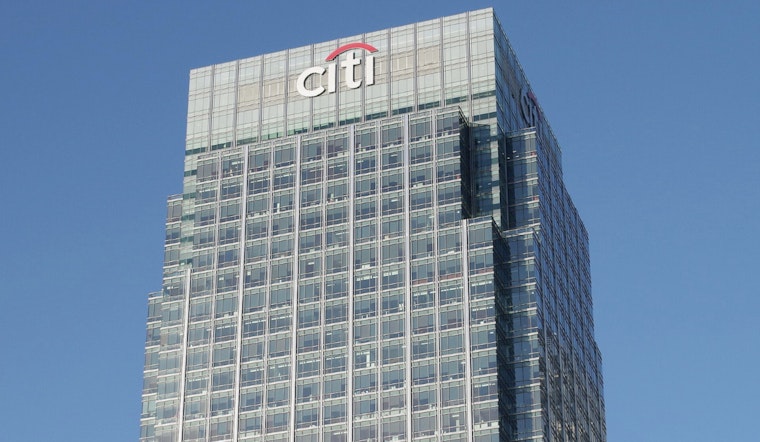
Citi on Tuesday rolled out a five year, $60 billion plan called the Blueprint for Housing Opportunity, which it says will create or preserve at least 250,000 affordable homes across the United States. The pledge combines lending commitments with $50 million in philanthropic grants and an advocacy push aimed at expanding federal tools such as the Low Income Housing Tax Credit. For New Yorkers, where the bank is headquartered, the announcement adds pressure to turn a big national promise into actual buildings and preserved apartments in city neighborhoods.
What Citi Is Pledging
The package is designed to finance acquisition, construction, rehabilitation and long term permanent financing for a broad range of housing types, including multifamily rentals, supportive housing and workforce projects in high cost markets, according to Citi. The Citi Foundation said it will deploy $50 million in grants to nonprofits tackling housing challenges and financial stability, starting with a $1 million grant to the Center for Affordable Housing Lending to launch a Housing Supply Research & Fellowship Program. “Housing affordability is one of the defining economic challenges of our time,” Jane Fraser said in the bank's statement, framing the initiative as a flagship effort.
How The Numbers Stack Up
Citi Community Capital says it financed more than $32 billion in affordable multifamily lending over the past five years, including $7.6 billion in 2025 that supported more than 35,000 units across more than 30 states, as reported by The Real Deal. The outlet also notes that Citi did not break out how much of the $60 billion represents new capital versus lending it would likely have originated anyway. That missing detail has developers and advocates waiting on the more tedious but crucial part of any big pledge, the concrete deal lists and timelines.
How Big The Need Is
The gap Citi is stepping into is enormous. The National Low Income Housing Coalition's Gap report estimates a shortage of roughly 7.3 million affordable and available rental homes for the lowest income renters, according to NLIHC. That math helps explain why Citi is pairing financing with grants and research, since scaling lending alone without policy changes would likely fall short of closing the overall gap.
What It Means For New York
New York is living that crisis in real time. Hoodline reported that more than 146,000 public school students faced homelessness last year, a stark reminder of local need. A large bank headquartered in the city directing more capital toward preservation and supportive housing could help relieve some pressure, but community groups say timing, terms and the choice of partners will determine whether the money reaches the people who need it most. Neighborhood developers and nonprofits will be watching closely for credit terms and grant solicitations that favor smaller, mission driven projects instead of only larger market deals.
What Comes Next
Citi says it will also advocate for tweaks to the Low Income Housing Tax Credit, continue backing for profit housing startups through its Impact Fund and work with public and private partners to move projects forward, according to Citi. The immediate test will be speed and specificity, how much of the $60 billion is new capital, which markets get priority and when the first loans and grant awards are announced. Those answers will determine whether the pledge becomes a real accelerant for affordable housing development or mainly a fresh label on activity that was already underway.
For now the pledge is significant for scale and optics, a major bank putting affordable housing at the center of a public commitment. Local leaders and housing advocates say they will judge it on projects and preservation moves, not press releases.



