

























































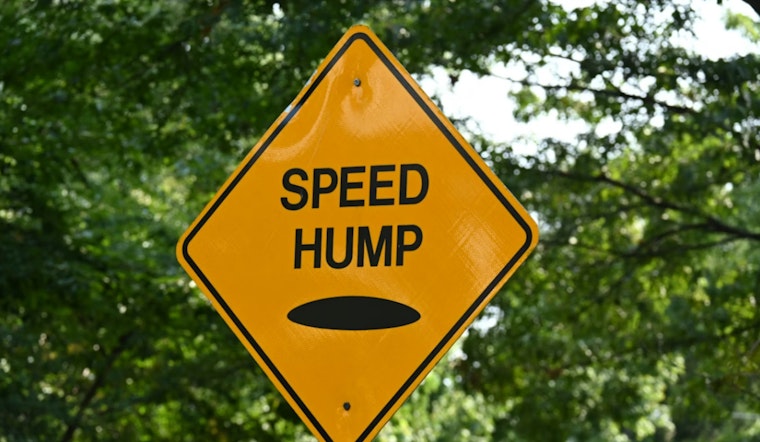
A newly released report by City Controller Christy Brady has raised concerns regarding the safety and compliance of speed cushions installed near schools throughout the city. According to the controller's office, a review of 140 speed cushions at 44 school sites revealed that nearly all did not adhere to the specifications set out in contract blueprints, nor did they comply with recommended engineering safety standards. The report indicates potential danger for drivers, walkers, and emergency responders traveling through these poorly implemented school zones.
The investigation sparked by residents' concerns found that of the speed cushions measured, only two met the design requirements. Speed cushions with excessive slopes present a steeper grade than intended for school traffic, which, as Brady described, may increase "the risk of vehicle damage, loss of control, and impediments to emergency vehicles, even when drivers are traveling at posted speed limits," as noted by the controller's office. These findings reflect a staggering 95% noncompliance rate with state and federal transportation guidelines concerning the maximum allowable grade for such installations.
Intended as a component of the City's Vision Zero initiative, these traffic calming measures aim to eliminate traffic-related fatalities and serious injuries, particularly in school zones. However, the controller's report underscores how these goals are compromised when the actual installation of speed cushions diverges substantially from requisite design standards. The oversight—identified in installations completed between 2023 and 2025—raises questions about the effectiveness of the measures and the protection of the public's investment, which averages to about $51,000 per school or $2.2 million in total for the surveyed projects.
Although the contract blueprints ostensibly followed guidance from PennDOT, the U.S. Department of Transportation, and the National Association of City Transportation Officials (NACTO), findings from the City Controller’s Engineering Unit revealed that the discrepancy between designs and field installations was not a rarity. In her report, Brady urges the city to correct the noncompliant speed cushions or seek compensation from the contractors responsible for the deficient work, stating, "The city needs to bring existing speed cushions into compliance with safety standards or seek restitution from the vendors who installed the ones that do not conform," as mentioned in the controller's office.
Furthermore, the report recommends more rigorous city oversight during installation, alongside a standardization of inspection and measurement processes to prevent a recurrence of such widespread noncompliance. This comprehensive approach is deemed critical to safeguarding pedestrian safety and ensuring the Vision Zero initiative's success without incurring additional risks to city dwellers. The full report, detailing the extent of these safety hazards, is available on the city controller's website for public review and download.





