

























































Tampa police have rolled out a short-term safety plan for Ybor City that aims to protect people on foot and those sipping drinks along Seventh Avenue, without killing the nightlife that makes the district tick.
The package leans heavily on traffic engineering: lowering posted speeds, adding on-street parking to narrow travel lanes, and continuing the rebricking of Seventh Avenue so drivers naturally slow down. It also calls for crash-rated bollards at key sidewalk intersections to create sturdier barriers between cars and crowded patios. City officials say the goal is to cut the odds of another late-night tragedy while keeping the historic entertainment strip open for residents and businesses.
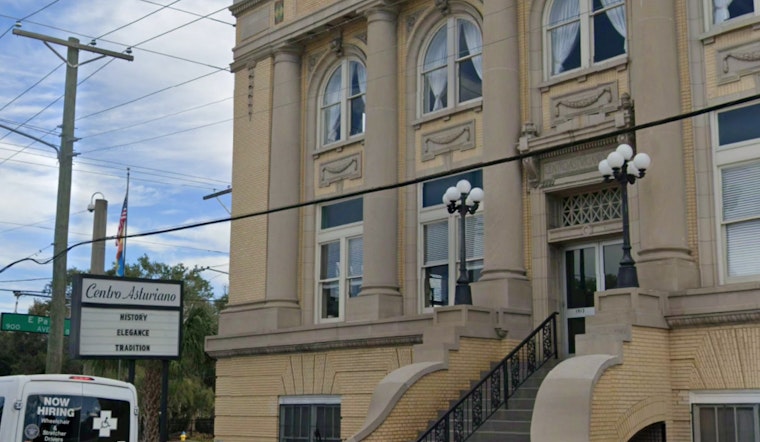
The proposals were rolled out at a community meeting at Centro Asturiano de Tampa, where Mayor Jane Castor, City Council members and Tampa Police representatives fielded questions from neighbors and business owners, according to WUSF. City staff stressed that many of the ideas are short-term fixes that can be piloted while the city chases funding for bigger, longer-term projects. The town hall followed months of pressure after a fatal November crash that killed four people on a busy block of Seventh Avenue.
"The community is telling us they want to talk about shutting down 7th Avenue," District 3 representative Lynn Hurtak told the crowd, adding that the city is "not going one way or another" and wants broad input before making any call, as reported by FOX 13 Tampa Bay. Some residents and family members of victims pushed for bigger moves, including full pedestrian-only weekends. Several business owners countered that a permanent closure could choke commerce and simply shift crowds onto side streets. In other words, no one walked out with a clear consensus.
What officials proposed
City staff and transportation planners outlined a slate of steps they say can roll out quickly. Those include lowering speed limits along sections of Seventh Avenue, striping and adding on-street parking to narrow the corridor, extending the rebricking project, and installing permanent or automated bollards at high-risk intersections, according to Bay News 9.
Officials also pointed to Vision Zero-style upgrades as part of the mix, such as brighter lighting, high-visibility crosswalks and pedestrian refuge islands that give people a safer place to wait between traffic flows. Engineering reviews and firm funding commitments would be required before any permanent hardware is ordered or installed.
A divided response
Reactions in the room swung from calls to immediately close Seventh Avenue on weekend nights to pleas for a slower, data-heavy approach that tests changes before locking them in, according to coverage by the Tampa Bay Times.
Mayor Castor, a former police chief, and several council members signaled caution about a full closure. They leaned instead toward targeted changes that would still preserve access for residents, deliveries and workers who rely on the strip. That split on the dais reflects the bigger tension outside City Hall between public-safety advocates calling for aggressive protections and businesses that survive on easy access and steady foot traffic.
Background: The November crash
The push for quick action traces back to a crash on Nov. 8, 2025, when a speeding vehicle slammed into the outdoor patio at Bradley’s on 7th, killing four people and injuring more than a dozen, officials said. Prosecutors later charged 22-year-old Silas Sampson with multiple counts of vehicular homicide and aggravated fleeing, and a judge ordered him held without bond, according to AP News.
Investigators said the crash followed a high-speed pursuit and an attempted PIT maneuver by troopers. The case has reignited debate across the region about when police chases are worth the risk in crowded nightlife districts and how much physical protection should be built in for people gathered on sidewalks and patios.
Police steps at public events
While the engineers crunch numbers, Tampa police have been ramping up security tactics for big draws in Ybor. Recent parades and festivals have seen layers of uniformed foot and bike patrols, mounted officers, plainclothes teams, drones and temporary bollards, according to recent coverage.
FOX 13 Tampa Bay reported that department leaders stressed the importance of reassessing their playbook every year and leaning on short-term barriers when needed. Officials say those event-specific measures will stay part of a broader, layered safety strategy even if and when permanent engineering upgrades roll into place.
What’s next
City staff say they plan to pilot the proposed engineering changes in the coming weeks, study where permanent bollards would provide the most benefit, and then return to the public with timelines and cost estimates that line up with Vision Zero priorities, according to reporting compiled ahead of the meeting.
The pace and scale of any buildout will depend heavily on capital funding and potential grants, Bay News 9 notes. For now, city leaders are pitching a cautious, test-it-first approach that aims to shore up sidewalks and patios without fully closing down Ybor’s most famous stretch.





