

























































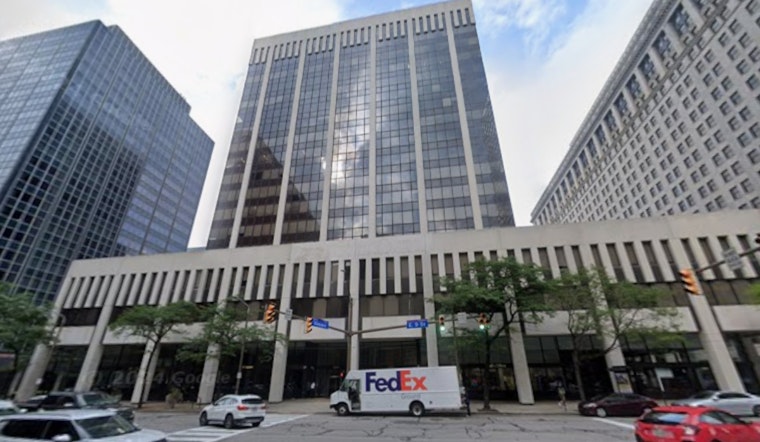
Downtown Cleveland is getting a little too quiet for comfort. Instead of fighting to keep a handful of tenants on half-empty floors, some office landlords are opting for a harsher kind of reset: clearing entire buildings and letting them sit dark.
Owners say it is a cold numbers game. A half-full tower still needs heating, cooling, security, and janitorial crews. A fully vacant one can be run on life-support mode and is easier to prep for a sale or a full-blown conversion. The result is a growing chunk of the central business district going dark, and a new reality for anyone trying to make a downtown office portfolio pay for itself. It is also forcing developers, city officials and neighborhood groups to rethink what downtown will actually look like in a few years.
According to Crain's Cleveland Business, owners have already emptied at least seven downtown office properties, totaling roughly 2.7 million square feet. Those landlords are weighing whether to keep aging space open or mothball it while they chase a buyer or a conversion plan. For some, Crain's reports, a fully vacant building needs far fewer services than one limping along at 20 to 30 percent occupancy and can actually be cheaper to hold while they hunt for the next move.
Market pressures behind the move
Leasing activity in the region has cooled, and when deals do get signed, they are skewing smaller. That shift is putting pressure on downtown inventory, according to CoStar. Industry analysts and brokers also tie the squeeze to hybrid work patterns that have undercut demand for big, uninterrupted floor plates, along with higher borrowing and operating costs that make lightly occupied buildings hard to carry.
Examples in downtown
One of the clearest examples is Ohio Savings Plaza, where tenants were moved out and would-be buyers have been circling potential plans to turn parts of the twin buildings into apartments, as reported by NEOtrans. Other downtown properties, from older legacy towers to mid-century podium-style buildings, are being marketed for sale or pushed through restructuring talks as owners brace for a shift away from traditional office leasing.
Why empty is easier for owners
On the construction side, a vacant building is basically a blank canvas, and that makes life a lot easier. Construction and finance professionals say an empty shell is simpler and cheaper to rework. As one construction expert told Crain's, “having tenants during redevelopment makes construction more difficult, time-consuming and costly.” Developers also point out that many office buildings do not break even unless occupancy climbs into roughly the 60 to 70 percent range, a level that is tough to hit in today’s leasing market. In that context, paying a tenant to leave or turning down small deals that chop up the space becomes a calculated move to boost the building’s resale or conversion potential.
Public money and the land bank
The wave of emptiness has revived talk about public tools that might help steady troubled properties. The Cuyahoga Land Bank has recently secured state and federal grants for demolition and brownfield cleanup and has used that money to clear and prep sites for new uses, according to the land bank’s own updates. That track record hints at one possible path for dealing with large, distressed buildings if vacancy keeps climbing. Whether the solution ends up involving grants, tax incentives or broader public-private packages, those options are likely to be front and center as owners, lenders and local officials hash out what comes next.
Bottom line for downtown
Emptying buildings is both a warning sign and a strategy. It shows how deep the downtown office reset has gone, while also making big conversions and complex redevelopments more straightforward for buyers with serious capital or for projects that can stack public support on top of private money. Cleveland’s commercial real estate players say conversions are tricky but doable. The next year will reveal which owners can ride out a period of deliberate vacancy long enough to make those plans work, and which towers stay stuck in limbo, lights off and waiting.





