

























































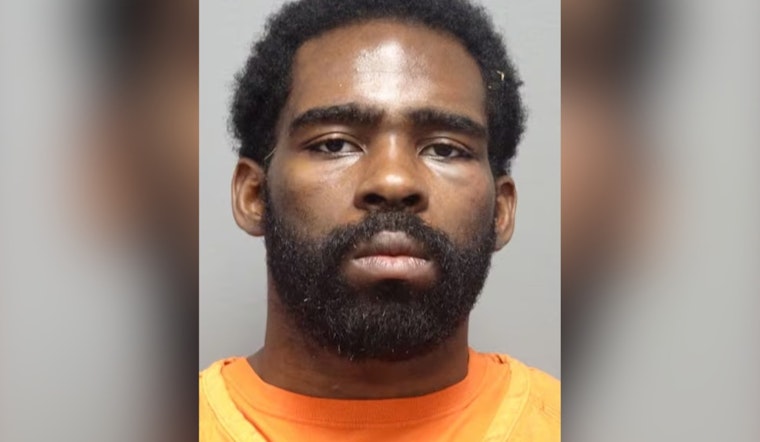
The debate over Ohio's competency law is heating up as the parents of slain Cleveland Police Officer Jamieson Ritter, together with Cuyahoga County Prosecutor Michael C. O'Malley, advocate for an amendment that would extend the timeframe in which a defendant must be restored to competency. Currently embroiled in this legal battle is the case of De'Lawnte Hardy, 26, accused of the murder of Officer Ritter on July 4, 2024, and his own grandmother, Beatrice Porter, days prior. According to a report by Cleveland19, the proposed Senate Bill 295 would extend the competency restoration period from one-year to five-years for serious offenses such as aggravated murder and cases potentially resulting in life imprisonment.
As the current law stands, Hardy, who has been undergoing treatment at Central Ohio Behavioral Healthcare (COBH), must be determined competent by Feb. 20th. Prosecutors are now pushing to have their medical expert, Dr. Stephen Noffsinger, granted full access to Hardy and his medical records to perform an independent evaluation. In a statement obtained by WKYC, Assistant Prosecuting Attorney Kevin Filiatraut wrote, "Now that the final report has come and COBH continues to say that the Defendant (Hardy) is not competent to stand trial, the issue of Defendant’s competency is ripe for the State of Ohio to request for its own expert to have access to the facility, the Defendant’s records, and the Defendant himself for examination."
The push for an adjustment to the current law follows a comprehensive timeline of Hardy's medical treatments and issues with his competency restoration. Since being declared incompetent in the fall of 2024, Hardy has been treated with psychotropic medications and has undergone various evaluations, some of which were reported to include suspected substance abuse. A FOX 8 I-Team investigation revealed that the state had previously been forced to administer Hardy's medication involuntarily, due to his refusal to take it.
Prosecutors are now seeking a second opinion on Hardy's mental state in light of the impending deadline and in anticipation of a hearing to determine his competency. The family of Officer Ritter, amidst their profound loss, has been vocal in their call for robust investigations into the operations of COBH, as Hardy's refusal to take medication prolonged the restoration process. Hardy's charges are severe, spanning from aggravated murder to resisting arrest, as he stands accused of shooting his grandmother in the head and later fatally shooting Officer Ritter under the dim light of early morning on Independence Day. In relation to his grandmother's death, Dr. Ben Hendrickson, a psychologist from COBH, explained to WKYC, "He doesn't believe he needs the medication because he doesn't think that anything's wrong with him with regards to any of these psychotic symptoms."
The particulars of Senate Bill 295 could, if passed, redefine Ohio's approach to managing cases where the mental competency of accused individuals severely impacts the course of justice. In O'Malley's statement, he emphasizes the importance of the bill, asserting that "Senate Bill 295 closes that gap and provides the necessary safeguards to protect the integrity of the justice system," according to WKYC news, recognizing the profound impact on victims, families, and law enforcement officers.





