

























































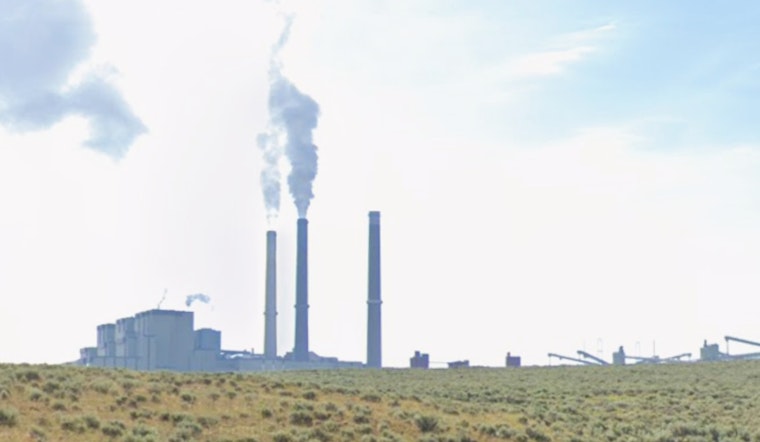
Colorado’s brewing showdown over coal, power bills, and federal authority has landed squarely at the U.S. Department of Energy, with the co-owners of the Craig Generating Station’s Unit 1 asking Washington to back off a last-minute order that kept the coal unit on life support.
Co-owners of the 427‑megawatt Craig Generating Station Unit 1 filed a petition last Thursday asking the U.S. Department of Energy to rescind an emergency order that forced the unit to remain available past its planned Dec. 31, 2025, retirement. The filing frames the appeal as the first step in defending Colorado ratepayers from what state officials and analysts say could be tens of millions of dollars in repair, fuel, and operating costs. Owners say the move would upend years of replacement planning and saddle municipal and co‑op customers with bills for repairs and fuel.
Owners seek rehearing
Tri‑State Generation and Transmission and the Platte River Power Authority filed a request for clarification and rehearing with DOE last Thursday, arguing the Dec. 30 order "constitutes both a physical taking and a regulatory taking" and that it improperly requires them to operate an uneconomic resource, according to Utility Dive. The utilities say the unit was scheduled for retirement and that their members have already paid to replace its capacity; they argue the order disrupts orderly planning and would leave members to absorb the costs.
DOE cites reliability concerns
The Energy Department says it invoked section 202(c) of the Federal Power Act to address alleged shortfalls in regional generation and to reduce the risk and costs of blackouts. The Dec. 30 order directs Tri‑State, Platte River, Salt River Project, PacifiCorp, and Xcel Energy to "take all measures necessary" to ensure Unit 1 is available through March 30, according to a department press release. Read the department’s Dec. 30 announcement from the U.S. Department of Energy.
Analysts put a price tag on restarting Craig
An analysis prepared for the Sierra Club by Grid Strategies estimates that keeping Craig Unit 1 available would cost at least $20 million for 90 days, or roughly $85 million a year, and could climb to about $150 million if the unit is run as a must‑run resource. The consultancy says fuel is the largest component of that price tag and warns the added costs would likely be passed to customers; read the briefing from Grid Strategies.
Polis warns of tens of millions
Governor Jared Polis said the appeal is "the first step in defending Colorado ratepayers from tens of millions of dollars in unnecessary costs" and criticized the order for forcing repairs on a unit that was already offline. Tri‑State has said Unit 1 went out of service Dec. 19 after a mechanical valve failure, and officials note that replacement projects have been built to take the unit’s place, according to reporting by the Associated Press. The governor’s statement appears on his official Facebook page; see the post on Facebook.
Legal fight widens
Environmental groups, including the Sierra Club, Earthjustice, and Colorado Attorney General Phil Weiser, have asked DOE to reconsider or filed petitions challenging the emergency order. Advocates say DOE has not demonstrated the kind of emergency the order cites and that the move short‑circuits regional resource planning; reporting shows those administrative rehearing requests usually precede court challenges, according to CPR News.
For residents and workers in Moffat County, the fight adds another layer of uncertainty as the region transitions away from coal, and the immediate question is who will pay for any repairs or extra fuel: federal taxpayers, or utility customers who have already planned a post‑coal energy mix. Utilities say the rehearing is the first step to prevent cost shifts to their members while advocates prepare legal challenges and political appeals.




