

























































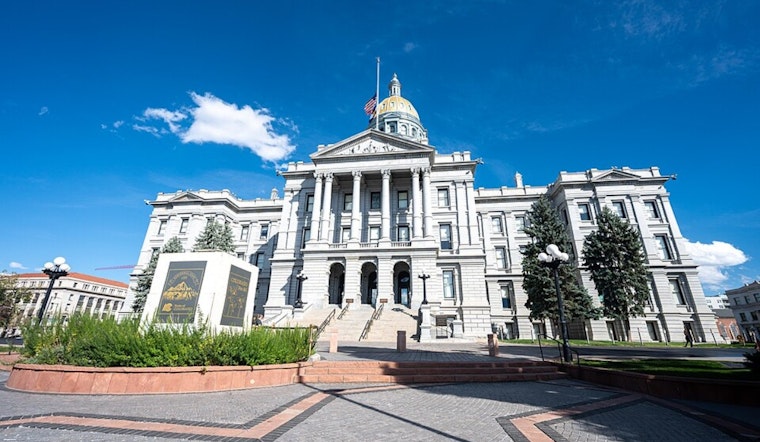
Colorado’s front-line election chiefs are quietly walking away from the job, and they are taking decades of know-how with them. Nearly 30 of the officials who run the state’s county elections have exited their posts in recent years, a wave of departures that election experts say is stripping offices of hard-earned experience and leaving some counties scrambling to keep up. The timing could hardly be worse, as election administration grows more technical, more politicized, and more stressful, fueling fresh demands for legal protections, training, and cash to keep seasoned staff from burning out.
Colorado is part of a broader western shakeup, according to Issue One. The group’s research found that roughly 38% of Colorado counties have a new chief local election official since 2020, and the people who walked away from those roles in Colorado alone took with them an estimated 314 years of combined experience. Much of that loss is concentrated in rural counties, but larger jurisdictions are feeling the churn too.
An analysis of that data counted 29 chief local election officials who have left posts in Colorado over the past five years and found that turnover has touched 28 of the state’s 64 counties, as reported by Axios. Of those former clerks, 66% cited personal reasons for stepping down, 21% hit term limits, 7% lost re-election, and smaller shares were either forced out or died in office.
“One of the ramifications has been increased stress, increased harassment, increased threats,” Michael Beckel, a lead author on the analysis, told Axios. Beckel and local officials say the trend is particularly stark in the Mountain West, where rapid turnover has left many county offices running elections with far less institutional memory than they had even a few years ago.
State Response and Protections
Colorado lawmakers moved in 2022 to give election workers a bit more backup. The Election Official Protection Act strengthened penalties for harassment and intimidation targeting election personnel and allowed officials to ask that certain personal information be stripped from public records, according to a press release from the Colorado Secretary of State’s office. Secretary Jena Griswold has called the measure a needed shield for workers and has pushed for more state support to help counties absorb staff losses.
What Advocates Want
The analysis by Issue One argues that turnover on this scale demands a broader policy response. The group is urging new state and federal steps to retain and support local election officials, including dedicated funding for recruitment and training, stronger legal protections, and more consistent law-enforcement follow-through when threats are reported. Advocates say those moves are critical to rebuild a pipeline of experienced election administrators and to cut the financial and operational costs of constantly hiring and retraining staff.
Legal Implications
High-profile prosecutions and internal blowups have added fuel to the fight over how to safeguard election systems and the people who run them. One flashpoint is former Mesa County clerk Tina Peters, who was indicted on charges tied to an election-system data breach. Her case has been cited by both supporters and skeptics of tougher protections for election workers, and reporting indicates that it has produced political and legal ripple effects. The U.S. Department of Justice has reviewed aspects of prosecutions related to election conduct, coverage by the AP and Colorado Politics shows.
Across Colorado, election officials say the fix has to be both nuts-and-bolts and political: tighten safety and legal protections for the people currently in the job, while investing in training so newcomers can step in without opening security or competence gaps. “Colorado’s Election Officials and workers are the unsung heroes of our democracy,” the Secretary of State’s office said in its announcement, and local leaders warn that keeping those “heroes” on the job will require sustained funding and clearer enforcement that actually matches the threats they are seeing.



.jpg)