

























































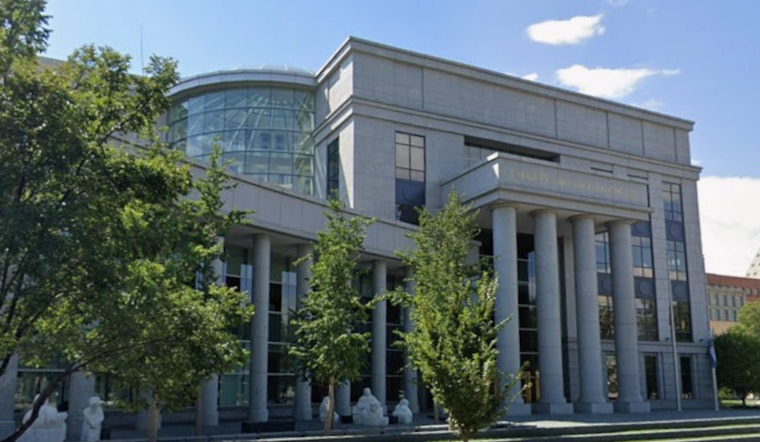
Colorado’s highest court has stepped directly into a simmering Mesa County custody fight that could reset how judges across the state weigh cutting off parental rights versus handing kids to non-parents. At stake is whether a juvenile court can decide a child is better off with a non-parent even when no specific, willing custodian is identified on the record at the time of the hearing.
Supreme Court Moves to Review
On Monday, the Colorado Supreme Court agreed, sitting en banc, to review People in the Interest of H.L.B. (No. 25SC721). The justices will decide whether a Court of Appeals panel was right to hold that a "less‑drastic alternative" to terminating parental rights does not have to be "currently available" for a juvenile judge to rely on it. That same docket list from the Colorado Judicial Branch also notes an original‑proceeding order in People v. Issac Lawrence (26SA25), a separate case the court has asked the parties to brief.
What the Appeals Court Said
Back in November, a three‑judge Court of Appeals panel upheld a Mesa County juvenile court’s refusal to terminate a mother’s parental rights. The panel agreed the juvenile judge could find that reallocating parental responsibilities to a non-parent was preferable without naming the specific person who would hold those rights. The judges stressed that "the child does not need to be in a potentially adoptive home" before a court can decide that a less‑drastic option is in the child’s best interests. The opinion is available in the published Court of Appeals decision on Justia.
The Trial Judge's Choice
At the heart of the dispute is how Mesa County Judge Valerie Robison handled the juvenile hearing. She denied the county’s motion to terminate the mother’s parental rights, finding instead that an allocation of parental responsibilities would address the child’s needs and was less extreme than permanently severing the legal relationship.
At the time, the child was living with maternal grandparents. The grandmother testified that she was hesitant to take on permanent custody because dealing with the child’s mother was "difficult." Those details, along with the county’s decision to appeal, were outlined by the Denver Gazette.
A Parallel Fight Over Youth Custody
While that Mesa County case heads up to the high court, the justices are also positioned to weigh in on a related question out of La Plata County: how long juvenile defendants can stay in Division of Youth Services custody once they turn 18.
Prosecutors have accused Issac James Lawrence of killing his younger brother and attempting to kill his mother in 2024. Lawrence was initially held in DYS custody and later transferred to an adult jail after he turned 18, according to regional coverage. The Colorado Judicial Branch docket shows an original‑proceeding order in People v. Issac Lawrence, and local reporting by the Durango Herald / The Journal lays out the underlying allegations.
Why This Matters for Courts and Families
In the Mesa County custody case, the Supreme Court is expected to clarify how appellate courts should review trial judges’ fact‑heavy calls about whether a less‑drastic alternative to termination is truly viable. The Court of Appeals majority and a concurring judge split over how much deference to give those decisions.
In a separate opinion, Judge Craig R. Welling flagged a tension between using a "clear error" standard for pure factual findings and a more flexible "abuse of discretion" standard for mixed questions, a potential inconsistency the Supreme Court may now be asked to straighten out. The way the justices resolve that issue could influence how courts balance the push for permanency for children with efforts to preserve existing parental bonds, according to the opinion available on Justia.
Procedurally, the next moves are straightforward: the Supreme Court will take briefs and decide whether to schedule oral argument on the questions in the certiorari grant. The calendar adds extra intrigue, though, because the court currently has one vacancy that is expected to be filled this month, which could shape the lineup that ultimately rules on these issues, as reported by the Denver Gazette. For now, family‑law attorneys, county human‑services departments, and criminal defense lawyers are watching to see whether the high court narrows or widens the path for non-parent custody as an alternative to terminating parental rights.





