

























































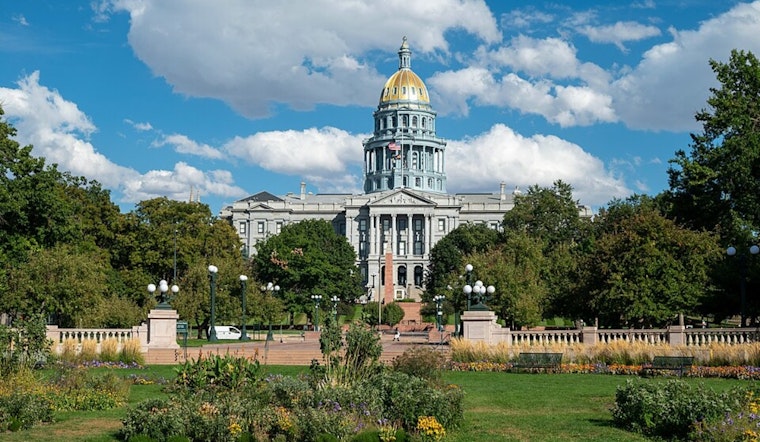
Colorado's so-called "ghost tax" on long-vacant homes is headed back to the graveyard for now. On Monday, lawmakers on the House Finance Committee shelved a high-profile proposal that would have let local governments ask voters to slap extra taxes on chronically empty houses. The move effectively pauses a key push by mountain communities and housing advocates who see vacancy levies as one more way to pay for workforce housing.
What the bill would have allowed
House Bill 26-1036 would have given counties and municipalities the power, with voter approval, to either levy an excise tax or create a separate property tax classification for residential properties that sit vacant for extended periods. The revenue would have been earmarked for affordable, attainable, or workforce housing, according to the Colorado General Assembly. The measure also would have let neighboring communities band together in joint local housing tax authorities to collect and spend those dollars.
Why backers pushed the idea
Supporters pitched the bill as a narrowly targeted option for resort and mountain towns, where seasonal ownership leaves many homes dark most of the year while local workers drive long distances to their jobs. Local officials and county commissioners told reporters that a vacancy tax would simply be another tool voters could choose at the ballot box to help fund housing for teachers, service workers, and public-safety employees, as Aspen Public Radio reported.
Opponents raised legal and logistical alarms
Real estate groups, county treasurers, and business chambers lined up in opposition, warning that the proposal invited administrative headaches and potentially expensive court fights. Several county officials testified that actually running such a tax could overwhelm local tax offices. More than 50 people spoke at the committee hearing, and critics repeatedly argued that the plan could create "operational strain" and open the door to lawsuits, The Colorado Sun reported.
How lawmakers handled the vote
The House Finance Committee ultimately used a reverse roll call and voted 7-4 to postpone the bill indefinitely, a procedural move that effectively kills the measure for this session. The action is recorded on the legislature’s committee page as passage of the motion to postpone, and the official record for HB26-1036 reflects that decision. The Colorado General Assembly shows in its vote summary that the motion passed on Monday by a 7-4 margin.
How other places fared with vacancy levies
Advocates frequently point to Vancouver’s empty homes tax as proof that a vacancy levy can both raise housing funds and nudge owners to rent out idle properties, while opponents counter with San Francisco’s experience, where a residential vacancy effort has faced legal challenges. Together, those examples highlight the legal uncertainty that critics in Colorado flagged. Vancouver’s official materials say the city has generated substantial revenue and returned many properties to the market since launching its Empty Homes Tax in 2017, and legal coverage has closely tracked the court fight over San Francisco’s measure. The City of Vancouver’s Empty Homes Tax information outlines the program’s design and results.
What’s next
With HB26-1036 postponed indefinitely, supporters say local ballot measures and other, narrower ideas are still in play, while opponents plan to keep pushing for clearer legal and administrative guardrails. The broader fight is far from over. Expect the argument to keep simmering in mountain counties and under the dome at the Capitol as communities look for ways to house local workers without inviting the kind of legal brawls that opponents have warned about.





