

























































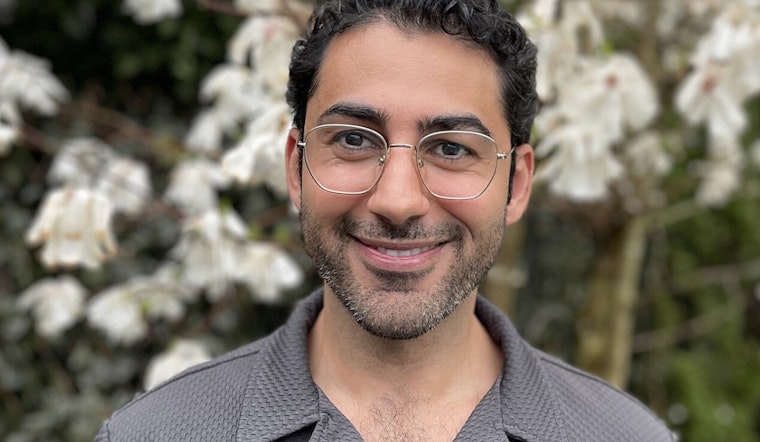
An immigration judge yesterday halted the federal government’s effort to deport Mohsen Mahdawi, a Columbia University graduate student involved in organizing pro-Palestinian campus protests. The judge ended the removal proceedings after determining that officials had not properly authenticated a key memorandum central to the case, effectively pausing deportation under that specific claim. Mahdawi, a lawful permanent resident who was detained during a citizenship appointment last April, remains free while the legal process continues.
Judge Says Key Memo Did Not Pass Muster
In a press release from the ACLU, Mahdawi’s attorneys told the U.S. Court of Appeals for the Second Circuit that an immigration judge terminated the case after concluding the government had not authenticated a memorandum that was said to be from Secretary of State Marco Rubio. According to the ACLU, the document was submitted without the referenced attachments, and the judge dismissed the case “without prejudice,” leaving the government the option to appeal or to file new charges that correct the evidentiary issues.
Memo Tied To Secretary Of State Rubio
The New York Times reported that the court file included a photocopy of a document that appeared to bear Secretary Rubio’s signature and claimed that Mahdawi’s activism “could undermine the Middle East peace process by reinforcing antisemitic sentiment.” Government lawyers leaned on that assessment in arguing that his continued presence in the United States posed a compelling foreign-policy risk.
Detention During Citizenship Appointment
As detailed by The Washington Post, Mahdawi was taken into custody during a naturalization interview in Colchester, Vermont, in April 2025, then released on bail after a federal court intervened. His attorneys and supporters say he has lived in the United States for roughly a decade and was a prominent organizer of campus protests at Columbia, a central allegation in the government’s bid to remove him.
What The Ruling Actually Does
Court filings and coverage indicate that the judge’s decision blocks deportation under the current charging document but does not shut the door on future action. The ACLU has characterized the ruling as a “win for due process,” while VTDigger notes that the order zeroes in on the lack of proper authentication of the memo. That focus leaves open the possibility that the government could revive its case if it shores up the evidentiary record.
Mahdawi And His Backers Respond
In a prepared statement cited by The New York Times, Mahdawi said he was “grateful to the court for honoring the rule of law” and accused federal officials of trying to punish him for speaking out against U.S. policy in Gaza. Civil-rights organizations and student supporters say the ruling reinforces constitutional protections for political speech, even as they acknowledge that the broader immigration fight around campus activism is far from over.
Broader Legal Stakes
Legal analysts say the decision could complicate the administration’s strategy of targeting noncitizens over their campus speech. The Wall Street Journal has reported that the ruling follows a similar setback in another student case, raising questions about how far such efforts can go when tested in court. Because the order was issued without prejudice, the government still has procedural tools available if it chooses to keep pressing the case, ensuring the legal dispute stays very much alive.





