

























































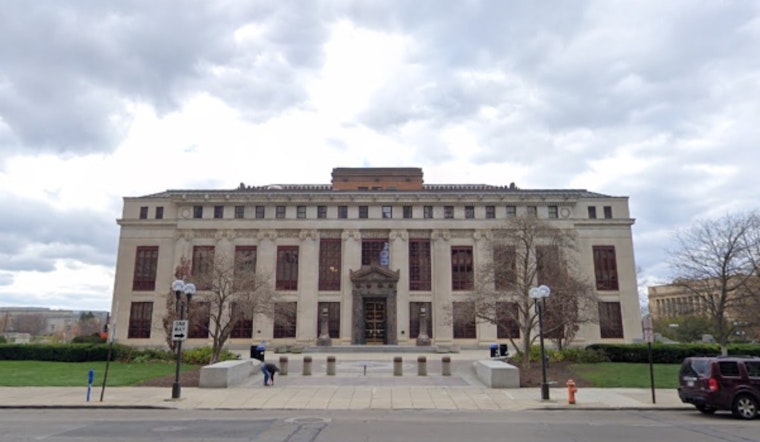
Columbus is giving churches, colleges, and nonprofits a faster path to building housing on land that has mostly just sat empty. On Monday night, the Columbus City Council signed off on a new pilot program dubbed Yes In God's Backyard, designed to grease the skids on permitting while still locking projects into the city's existing affordability rules.
Council Creates Yes In God's Backyard Pilot
The ordinance establishes a Yes In God's Backyard (YIGBY) Pilot Program within the city's Housing Division and gives the directors of the Departments of Development, Building and Zoning Services, Public Utilities, and Public Service the authority to write rules for expedited site engineering and building reviews. To qualify, applicants must be faith-based organizations, educational institutions, or nonprofits that own developable parcels on or before Jan. 1, 2025, and any YIGBY project has to follow the city's Community Reinvestment Area affordability requirements. The Housing Division must issue a notice of approval or denial within 30 days, participants will not pay extra review fees, and the director can suspend or revoke participation if there are material misrepresentations, according to the City of Columbus Legistar.
How the pilot fits into Columbus Forward
City officials are pitching YIGBY as one piece of the broader Columbus Forward push to free up underused land for housing and cut through local permitting snarls. The Columbus Forward coalition describes the program as voluntary, with congregations and other organizations able to opt in for technical assistance and permitting support rather than being required to participate, as outlined by Columbus Forward.
Who’s already shown interest
Council President Shannon Hardin told WOSU Public Media that roughly 60 churches have already raised their hands and that the program could touch more than 1,000 parcels across central Ohio. "We think that there is real opportunity," Hardin said, arguing that smaller, tailored projects on church or campus land could soften NIMBY pushback by feeling more neighborhood-sized than mega-complex.
What to watch next
The ordinance instructs the Housing Division to file an annual report tallying how many applications were received and approved, how many units were proposed and ultimately built, what affordability levels were served and how much permitting time was saved on average. It also schedules a formal program evaluation in calendar year 2027 to decide whether to keep the pilot going. Those numbers will help council decide whether to extend the program for up to two more years or potentially lock pieces of it into permanent code, according to City of Columbus Legistar.
How to follow and get involved
Details on public meetings and implementation will roll out as city departments hammer out the administrative fine print. Congregations that want to explore development options can sign up for updates or information sessions through the Columbus Forward site. Residents can also keep an eye on City Council agendas and the Housing Division's postings for rulemaking notices and public-comment windows, where early updates are expected to appear.





