

























































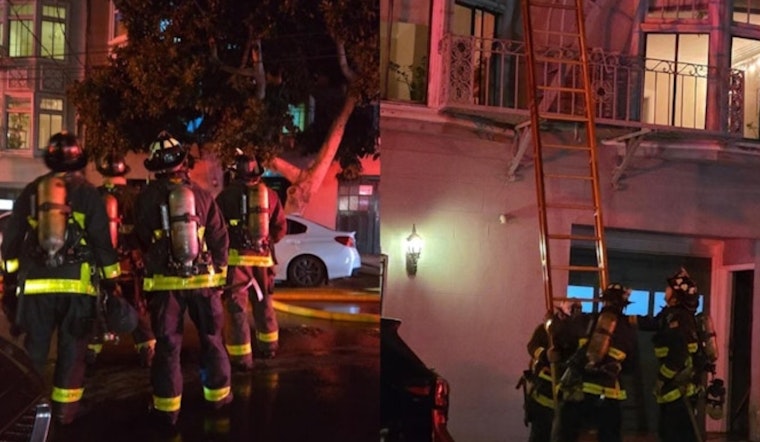
Last October, a fast-moving blaze tore through a 12-unit apartment building at 1550 Filbert Street in Cow Hollow, killing one resident and pushing families into temporary housing. Neighbors and tenants say the fire started in a unit with extreme hoarding that turned the apartment into a tinderbox and made rescue efforts harder than they needed to be. Months later, city officials, advocates, and neighbors are still arguing over who missed chances to prevent what many now call a largely avoidable tragedy.
San Francisco Fire Department records show just how familiar this problem has become. The department noted “hoarder conditions” in 15 incident reports last year and 58 since 2019, figures firefighters say may still understate the real scope of the risk, according to ABC7. Hoodline coverage of the Filbert Street blaze chronicled neighbors’ anger that warnings to the city and the landlord went nowhere and that pets had to be yanked from smoke-choked hallways, with one dead, several displaced after the building went up.
“We do train on this daily in San Francisco, but we always say we thought we saw it all, and then we have the next fire which has hoarding conditions,” San Francisco Fire Department public information officer Jonathan Baxter told ABC7. He added that hoarding is sometimes omitted from written reports to avoid publicly shaming residents. Firefighters and neighbors say those piled-up belongings can block exits, hide smoke alarms, and turn what might have been a routine kitchen fire into a fast-moving inferno.
How hoarding multiplies danger
Investigators say clutter does more than look chaotic. It dramatically increases a home’s fuel load, giving fire far more to chew through once it starts. In a notorious 2011 Diamond Heights house fire, a department safety review found that an excessive live fuel load contributed to explosive fire growth and the deaths of two San Francisco firefighters, a grim reminder of how deadly overfilled homes can be. SFGATE reviewed the post-fire findings and the reforms that followed.
Programs exist - but money is tight
San Francisco does have specialized help on paper. The Mental Health Association of San Francisco operates peer-led hoarding support groups and a hoarding behavior program that works with people to sort, make decisions and stay housed, according to the Mental Health Association of San Francisco. A 2009 task force called “Beyond Overwhelmed” urged the city to coordinate outreach across departments and even create a citywide hoarding coordinator to connect housing, fire and behavioral-health services, as detailed in academic reporting on local treatment models.
All of that takes money, and the city’s budget forecast is not exactly generous. The mayor’s budget instructions warn of a two-year General Fund shortfall of roughly $936 million, a gap advocates say could put behavioral-health programs and prevention efforts on the chopping block. San Francisco Ethics Commission records show the scale of the fiscal hole.
Neighbors say warnings were ignored
Tenants at 1550 Filbert say the alarms, metaphorically speaking, had been going off for years. Residents report repeatedly complaining about the unit where the fire began, describing hazardous clutter and blocked areas, and say follow-up from both city agencies and the landlord never matched the urgency of their concerns. Months later, many still cannot move back home.
Local coverage of the fire described firefighters navigating narrow, obstructed interior pathways while racing to pull people out. SFist reported accounts from tenants who say they had been flagging safety issues for years before the blaze.
Where to get help
For people living with hoarding behavior - or worried about a friend, neighbor or relative - there are places to start. The Mental Health Association of San Francisco’s hoarding program lists a peer-support email at [email protected] and a contact phone at (510) 306-4527 for information on support groups and resources. Details and schedules are available from the Mental Health Association of San Francisco and through the International OCD Foundation directory. If someone is in immediate danger, call 911.
The Filbert Street fire has become more than a neighborhood tragedy. It now serves as a case study in how mental-health treatment, housing policy and emergency response collide in real life. Advocates argue that relatively modest investments in peer support, better interagency tracking and proactive outreach could help vulnerable tenants stay safely housed and sharply lower the odds of another preventable death.





