

























































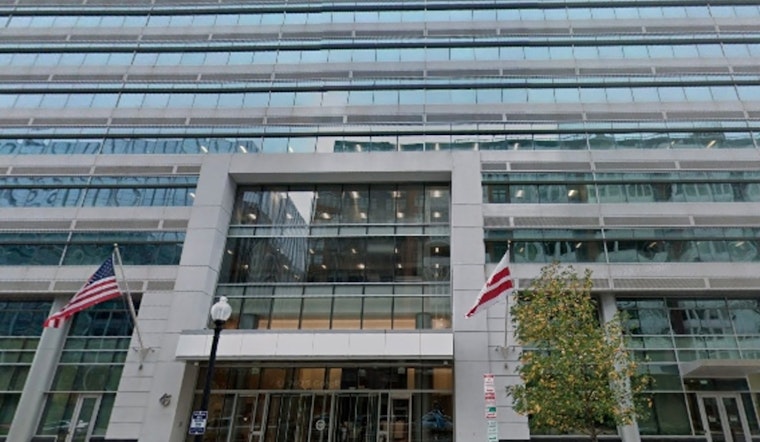
The nation’s cable landscape is about to get a lot more crowded at the top. The Federal Communications Commission on Friday signed off on a $34.5 billion merger between Cox Communications and Charter Communications, clearing a major Washington hurdle for a deal that would create the country’s largest cable and broadband operator. The combined giant will keep the Cox corporate name, lean on Charter’s Spectrum brand for customers, and park its headquarters in Stamford while maintaining a sizable operations hub in the Atlanta area. The tie-up is not a done deal yet, since state regulators and the Justice Department still have to bless it before closing.
What the FCC Signed Off On
The commission concluded that Charter’s commitments, including speeding up network upgrades and bringing customer-service jobs back onshore, were enough to pass regulatory muster. According to Broadband Breakfast, FCC Chair Brendan Carr argued that the approval will help extend modern high-speed broadband into more rural areas and that customers should see access to lower-priced plans.
How the Deal Is Built
The transaction pegs Cox’s value at about $34.5 billion and uses a mix of cash and stock. Under the structure, Charter will pick up Cox’s commercial fiber and managed IT businesses, while Cox Enterprises contributes its residential cable assets to Charter Holdings. As outlined by Charter, Cox Enterprises is set to receive cash along with convertible preferred units and partnership units and is expected to end up with roughly 23% of the merged company. The new firm would take on about $12 billion of Cox debt and rebrand as Cox Communications within a year after closing. Charter says combining the two businesses should eventually generate around $500 million a year in cost savings within three years of the deal’s completion.
Atlanta Angle: Growth Or Heartburn?
Cox’s corporate home is Sandy Springs, and the companies say the combined business will keep a significant footprint on Cox’s Atlanta campus, a detail the local paper notes employees and civic leaders will be watching very closely. The Atlanta Journal-Constitution reports that Charter has promised to bring offshore roles back to the United States within 18 months and to extend a $20-an-hour minimum starting wage to Cox frontline staff. What that means for the immediate Atlanta headcount, however, was left vague.
Consumer Advocates Hit the Brakes
Consumer and public-interest groups spent the review period warning that consolidation at this scale can squeeze competition in ways that voluntary promises may not fix. In a May 2025 statement, Public Knowledge warned the merger might be “weaponized” and argued that big broadband deals can end up hurting both content creators and subscribers.
What Happens Next
Despite the FCC green light, a few big signoffs remain. State regulators still need to rule, and any outstanding antitrust clearances must be resolved before the companies can actually combine. Reuters reports that Cox and Charter are aiming to close in mid-2026. In coverage republished by local outlets, Reuters noted that the companies have told regulators they are pushing for state decisions this summer and are leaning on projected cost savings and network investments to justify approval.
Regulators Keep Watch
With the FCC order out, regulators and advocates will be combing through the fine print to see how enforceable the company promises really are. States such as California have already signaled they will scrutinize potential consumer-protection and broadband-equity conditions. As Broadband Breakfast and other observers note, the strength and monitoring of those commitments could determine whether the merger actually delivers faster networks and lower prices without undercutting competition.




