

























































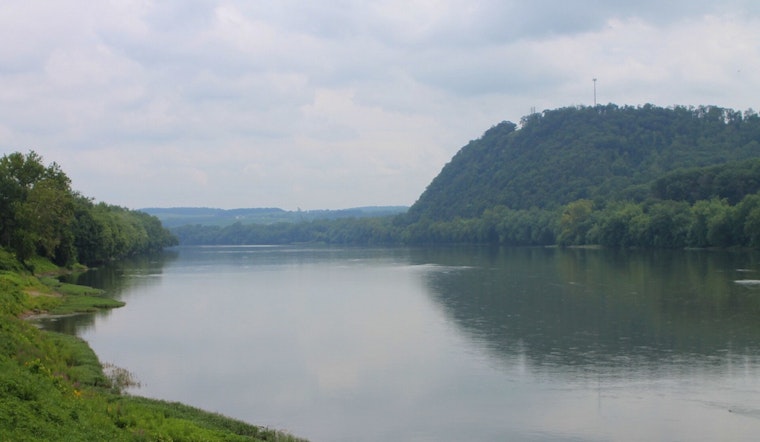
A multibillion-dollar plan to turn the Cuffs Run valley in Chanceford Township into a pumped-storage hydropower complex has turned into a full-on local showdown. Conservation groups are in federal court, nearby residents are bracing for flooded farms and trails, and the developer is reminding everyone that, even if it moves forward, shovels would not hit the ground for years. The concept is straightforward: build an upper reservoir above Lake Clarke, pump Susquehanna River water uphill when power is plentiful, then release it back through turbines to generate electricity when the grid needs a boost. For people who live along this stretch of the Susquehanna, the debate is no longer theoretical. Opponents say the project would permanently reshape wooded ridgelines and preserved farmland.
The Lancaster Conservancy and partner groups say the proposal would flood roughly 580 acres, spread across an approximately 1,100-acre project footprint and displace about 40 people, while wiping out conserved farms and mature forest. The conservancy has pulled together a coalition of regional preservation, riverkeeper, and farmland organizations to challenge the federal permit and highlight expected impacts on the Mason-Dixon and Enola Low Grade trails. According to the Lancaster Conservancy, those natural and cultural resources are central to the river corridor’s outdoor-recreation economy.
Legal Fight Moves To The Federal Appeals Court
Opponents escalated their challenge after the Federal Energy Regulatory Commission granted a preliminary permit that allows the developer to study the project. The coalition responded with a petition for review in the U.S. Court of Appeals for the Third Circuit, followed by opening briefs. Those filings argue that the commission did not properly weigh local objections or fully satisfy legal requirements, and the parties expect the case to stretch into the coming year. The timeline and court filings are laid out by the Lower Susquehanna Riverkeeper Association.
Backers Point To Grid Benefits And A Long Runway
Supporters of the plan, including York Energy Storage’s principals, argue that pumped storage is a proven way to bank large amounts of clean energy and send power to the PJM grid when wind and solar generation dip. Company co-founder Bill McMahon has described the Cuffs Run project as a potential piece of the region’s renewable-energy transition and has pegged the earliest possible commercial online date at roughly a decade from now, according to reporting by WITF. Project documents and industry summaries say the design would feature large reversible pump-turbine units and an underground powerhouse, and they note that the facility could create construction jobs while operating for decades, according to trade coverage in Renewable Energy World.
Conservationists Warn Of Lasting Landscape Harm
Environmental organizations, including the Chesapeake Bay Foundation, have formally intervened in regulatory proceedings and argue that the Cuffs Run site is “a phenomenal natural area” that would be irreversibly altered by a reservoir and miles of new infrastructure. The Chesapeake Bay Foundation says the project would threaten brook-trout habitat and forest carbon sequestration and has signaled it will use administrative and legal tools to try to stop the permit. Local land-protection groups add that the project would slice through scenic trail corridors and conserved farmland, a concern emphasized by the Chesapeake Bay Foundation and echoed by the Lancaster Conservancy.
What Happens Next
The preliminary permit does not allow construction. Instead, it gives the developer at least four years, and potentially up to eight, to complete studies and line up financing before applying for a full license. The petitioning groups have already submitted briefs in the Third Circuit, and oral arguments and additional rounds of briefing are expected as the court weighs whether FERC acted within its authority, according to the Lower Susquehanna Riverkeeper Association. The outcome of that case will determine whether York Energy Storage can move into detailed study and licensing or whether the project hits another legal wall.
For now, the plan sits in limbo. Elected officials from both counties have come out against it, and conservation groups say they will keep fighting in court while the company continues feasibility work. A bipartisan letter from local and state officials opposing the preliminary permit, which framed the project as clashing with long-standing conservation and recreation investments in the Susquehanna gorge, is summarized in coverage by Renewable Energy World, underscoring how a quiet York County valley has become the center of a much larger regional policy fight.





