

























































A 79-year-old Central West End resident says her home has turned into a sewage disaster zone, with raw sewage backing up into her basement and pooling in the alley behind her house. Loyce Hamilton says the mess has gotten so bad that she and her son have mostly stopped using water. She reports that the flooding keeps coming back and that the ground behind the house looks like it is sinking above what she believes is a broken pipe. The situation has neighbors, plumbers and the Metropolitan St. Louis Sewer District (MSD) arguing over whether the problem lies in the city main or in the private sewer lateral that serves her property.
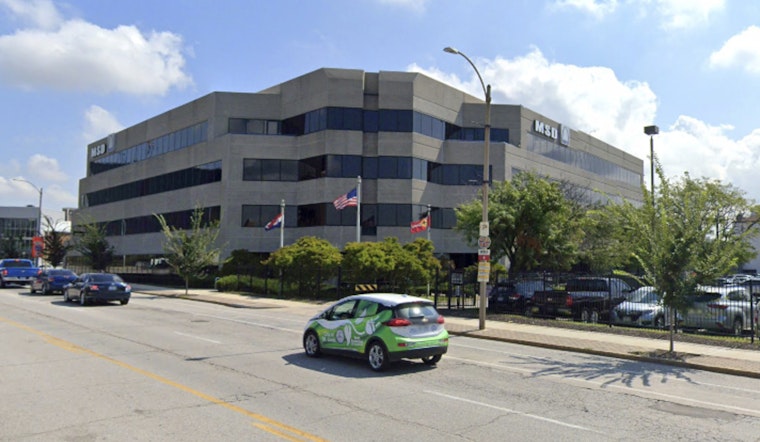
According to a report from FOX2, MSD says its inspection traced the issue to a defect in the private lateral on Hamilton’s property. The utility told the station that crews have disconnected her house from the city main and that MSD was first notified of the problem on Oct. 15, 2025. A city spokesman, quoted by the outlet, said a contractor is scheduled to start work next week. MSD also told the station that it does not maintain private laterals.
Hamilton is not buying that explanation. “Raw sewage keeps flooding my basement,” she told FOX2, adding that two independent plumbers have told her the break appears to be coming from the city water main. She and her son say they have been avoiding running water inside the home while the situation drags on, and neighbors say the alley behind the house now shows what looks like a forming sinkhole along the line where the pipe runs.
Private laterals: Who's on the hook?
Across much of the country, cities and utilities treat the private sewer lateral, the pipe that runs from a home to the public main, as the homeowner’s responsibility. Utilities frequently require a camera scope or dye test to pinpoint where a failure is located before deciding who pays. Portland explains in its permitting guidance how repairs are handled when a break occurs in the public right of way compared with damage on private property. The East Bay Municipal Utility District outlines a compliance program that requires documentation and inspections for customers who want assistance with lateral issues.
What residents can do
Plumbers and utilities typically advise homeowners to document any sewage backup thoroughly, with photos, video from a scope, and saved repair estimates or invoices, and to avoid using sinks, toilets and drains until the cause is nailed down. Many utilities ask residents to request an inspection and submit camera footage from a licensed plumber to show that a defect sits in the public right of way before the utility will step in to make repairs. SD1 lays out the kind of evidence and step by step process that a lot of districts expect to see.
Legal and financial angle
When a district decides that a failure is on a private lateral, the repair bill usually lands on the homeowner, unless they can prove that the city or one of its contractors caused the damage. That is where reimbursement claims and municipal claim processes come in, often hinging on camera recordings, dated invoices and the utility’s own inspection reports. Hamilton says she wants the city to pick up the tab for fixing the problem, and the contractor visit scheduled for next week will likely shape how the question of responsibility gets settled.





