

























































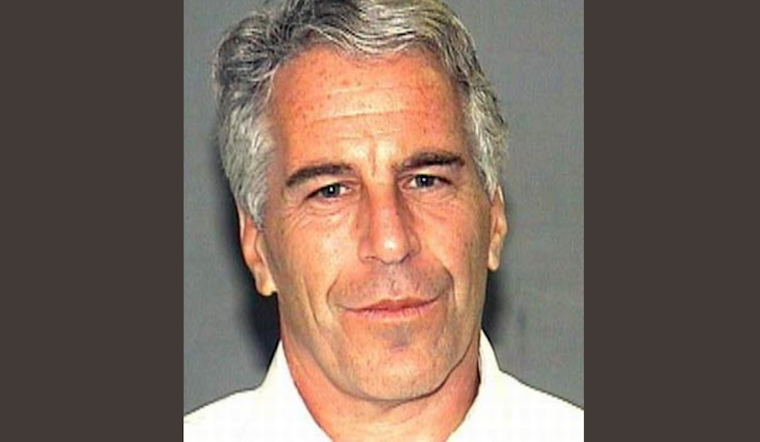
Merrie Spaeth, the longtime Dallas crisis communications adviser who once ran media relations in the Reagan White House, stayed in touch with Jeffrey Epstein years after she had said their work together ended in 2008, according to newly released government records. The files include a July 2011 note routed through an assistant and a later message that appears to be from Spaeth offering help and telling him, “We’re here if you want help. We think the world of you.” Spaeth, 77, has told reporters she is embarrassed by the follow-up contact, per The Dallas Morning News.
DOJ records show 2011 check-in and 2015 offer of help
The messages surfaced after a massive batch of Epstein-related documents was posted online and combed through by journalists. In its review, The Dallas Morning News highlighted a July 2011 note in which Spaeth wrote that she “just wanted to touch base and make sure you were feeling more secure.” The outlet also pointed to a 2015 message, sent to a redacted recipient, that appears to be from Spaeth and offers additional support.
Spaeth’s 2008 role included drafting apologies and media guidance
Those later contacts add context to Spaeth’s earlier work for Epstein during his 2008 legal battle, when she was brought in to provide communications options. An independent cache of Epstein emails obtained and vetted by Bloomberg News shows she drafted multiple apology letters and interview guidance in February 2008. Bloomberg reported that Spaeth said she “ultimately terminated the engagement because of my discomfort with it.”
Billing records list about $51,000 paid to her firm
Within the newly public files is what appears to be a summary of legal bills from roughly 2009 to 2010, listing about $51,000 in payments to Spaeth’s company. The government records do not spell out which specific tasks were tied to that amount. The billing detail appears in materials made public as part of the federal release of Epstein records, including a Justice Department file that is now in the online set.
Transparency law drove massive release that quickly drew fire
The material that exposed the Spaeth messages was posted after Congress passed the Epstein Files Transparency Act, which required the Justice Department to release millions of pages late in January. Reporters and victims’ attorneys quickly criticized the rollout for uneven redactions and privacy lapses, and news outlets documented that some items were temporarily pulled or corrected as concerns mounted, according to reporting by The Associated Press.
Spaeth’s response and the Dallas fallout
Spaeth told The Dallas Morning News that following up with individuals represented by defense counsel has long been part of her communications practice, but that she is, in hindsight, embarrassed by any involvement with Epstein. The disclosures add fresh detail about how Epstein kept a network of advisers and contacts after his 2008 plea, and they land on a veteran Dallas figure known for coaching high-profile clients through public storms.
For Dallas insiders who have watched Spaeth’s influence in local public affairs for decades, the newly surfaced exchanges are likely to renew questions about how crisis counselors and other professionals chose to handle contact with Epstein in the years after his first conviction.




