

























































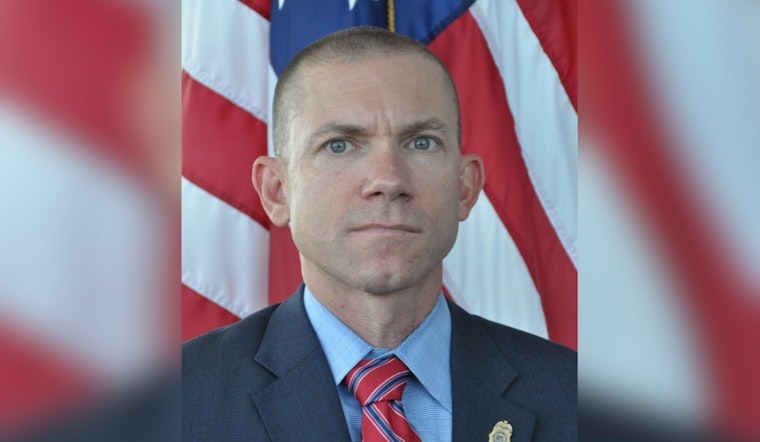
David Olesky, the Drug Enforcement Administration's Rocky Mountain special agent in charge, is trying to put faces to the region's drug crisis. In a first-person column published today, Feb. 22, he centers victims as the driving force behind the DEA's work, recounting meetings with people whose lives have been upended by trafficking, including a grandmother at the Cedar Run Apartments who described thefts, threats, and multiple overdoses in her building. Olesky casts those encounters as the reason agents keep chasing traffickers, saying those stories are what get them out the door every morning.
DEA Chief's Column Puts Victims Front And Center
In an op ed for the Denver Gazette, Olesky writes that his career has been shaped by meetings with "victims of the drug trade" and calls them the motivation behind DEA operations. He points to specific encounters, from a Salt Lake City mother urging investigators to "dig a little deeper" to the Cedar Run grandmother who walked him through the chaos in her building, and he closes the essay with the blunt line, "And the victims are countless." Those personal stories, he argues, are what justify aggressive enforcement in places where illicit drugs are killing people.
Cedar Run Raid And The 'Three Fentanyl Deaths' Claim
Olesky's essay reminds readers of an operation at the Cedar Run Apartments, a Feb. 5, 2025, raid where residents say agents were searching for "wanted drug traffickers." As reported by the Colorado Sun, the DEA posted a video from that sweep and said three people had died from fentanyl at the complex in the previous month, a claim federal officials used to help justify the multiagency action. Residents later described flash bangs, forced entries and buses brought in to move people from the complex during the early morning operation.
Operation Return To Sender And The Wider Sweep
The Cedar Run action was one piece of a larger "Return to Sender" push that federal officials say led to dozens of arrests across the metro area. According to the Denver Gazette, agencies detained roughly 90 people in the weeks that followed, some of whom the DEA labeled among the state's "most dangerous," and said several suspects had ties to the Venezuelan gang Tren de Aragua. Officials described the work as targeting criminal networks behind fentanyl, meth and violent crime, while critics argue the raids blurred the line between immigration enforcement and drug investigations.
Residents Push Back And Legal Questions Mount
The raids and their aftermath sparked tenant complaints and a lawsuit accusing the complex owner of failing to secure the property and allowing dangerous conditions to fester, according to local reporting. Tenants filed a complaint over unsafe and unsanitary conditions, as noted by KGNU, and subsequent reporting raised questions about whether some entries were backed by judicial warrants or only administrative paperwork. The Colorado Springs Gazette reports that FOIA requests and redacted records show Immigration and Customs Enforcement relied on administrative warrants in many cases and that the DEA has not publicly released the judicial warrants it cited, a setup that has already raised constitutional concerns and potential court fights.
What Comes Next For Denver
Olesky says those individual losses, parents, grandparents and bystanders, are why federal agents keep pushing into troubled complexes, even as tenants and civil rights groups demand transparency and legal accountability. Local leaders have said they were not part of the planning for the Feb. 5 actions and pointed to the community disruption that followed the raids, according to the Colorado Sun. That sets the stage for more legal filings, FOIA battles over warrants and continued debate over whether the balance between public safety and civil liberties has shifted, all while families in Denver continue to grieve lives lost to fentanyl and other drugs.





