

























































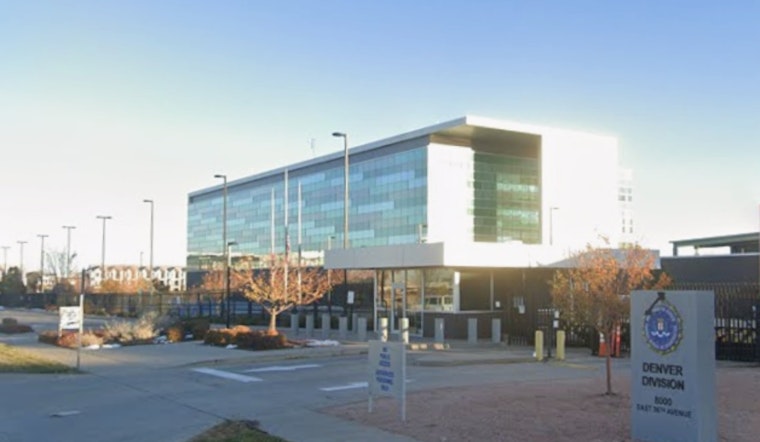
A Douglas County man and a Denver woman have been charged in separate federal indictments that accuse them of billing Medicaid for rides to medical appointments, including roughly $165,000 in claims for one beneficiary who was already deceased. The FBI’s Denver field office announced the indictments on Wednesday and said both cases grew out of separate investigations into non-emergency medical transportation billing. Prosecutors say the alleged schemes involved false or inflated claims for trips that were not authorized or never actually happened.
Indictments Focus on Questionable Trips and a Dead Beneficiary
According to a news release posted by FBI Denver, the indictments allege schemes in which the defendants billed Medicaid for transportation provided to program beneficiaries and, in some instances, for trips that did not occur at all. One of the cases involves approximately $165,000 in claims connected to a single beneficiary who had already died, according to the FBI. Officials say both matters stem from its Denver-based investigations into non-emergency medical transportation billing. The charges remain allegations, and both defendants are presumed innocent unless and until they are proven guilty in court.
State Tries to Rein In Medicaid Ride Abuse
Colorado officials have been tightening oversight of non-emergency medical transportation, the Medicaid benefit that covers rides to medical appointments, by requiring credentialing and stricter trip reporting after regulators flagged the program as vulnerable to fraud. Health First Colorado outlines credentialing steps and documentation rules that are intended to make it harder to pad or fabricate rides. Local reporting also notes that MedRide, described as the state’s largest non-emergency medical transportation operator, has faced suspensions and extra scrutiny during recent revalidation and credentialing efforts, according to KKTV.
Part of a Bigger Federal Crackdown
The cases arrive against the backdrop of large, data-driven crackdowns on Medicare and Medicaid fraud that federal prosecutors have been rolling out in recent years. Those national sweeps have targeted hundreds of defendants and alleged billions of dollars in bogus billings in coordinated takedowns. Transportation and durable medical equipment claims show up repeatedly among the hot spots that federal officials flag when they describe patterns of suspicious billing behavior, as per the U.S. Department of Justice.
Legal Stakes if Fraud Is Proven
Health care fraud affecting federal programs is charged under 18 U.S.C. § 1347. If the government proves its case, each count can carry a statutory maximum of up to 10 years in prison, with higher potential penalties if the crime results in serious bodily injury or death. Convictions can also bring fines, restitution orders, forfeiture of fraud proceeds, and exclusion from federal health programs, which can effectively shut a provider out of Medicaid and Medicare work.
For now, the indictments and the FBI’s news release are the main public windows into the allegations, and additional specifics are expected to surface as filings hit the docket and hearings are set, as detailed by FBI Denver. The FBI’s Denver post links to a news release that includes more background and contact information related to the investigation, and court records will ultimately spell out the individual counts and any proposed restitution.





