

























































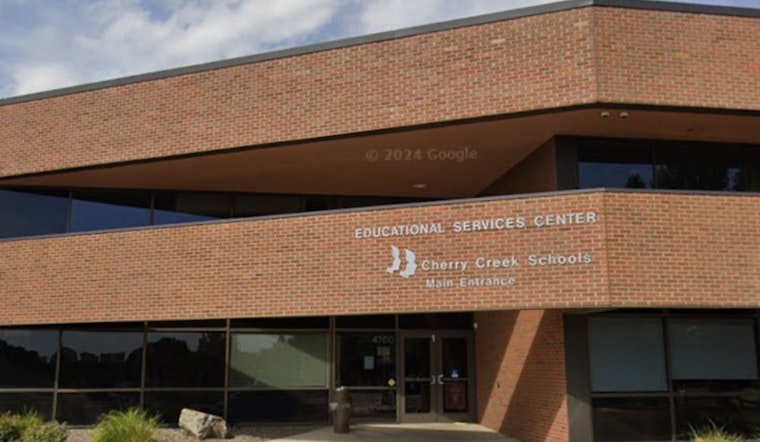
State investigators say Cherry Creek Schools started the 2025-26 school year without enough sign-language interpreters for students with disabilities, leaving several children without the support their Individualized Education Programs promised. The Colorado Department of Education found the district violated federal special-education law and ordered remedies meant to make up for lost instructional time. Families and advocates told investigators the interpreter gap disrupted learning, attendance and basic classroom participation for the students involved.
According to a state report, 11 deaf or hard-of-hearing students had IEPs that required sign-language interpreters but did not receive consistent interpretation. Investigators concluded that every student was adversely affected and that two students were substantially limited in their ability to participate in classwork. The agency ordered Cherry Creek to provide compensatory lessons taught in American Sign Language or with an interpreter, including at least 50 hours of student-engagement time and chances to interact with peers. The district must also submit a corrective action plan by March 17. Investigators traced the breakdown to a staffing contract change and interpreter shortages: four agency interpreters were no longer available by Aug. 6, 2025, the campus opened the year with only one interpreter, the first contract interpreter did not start until Oct. 30, and the school did not reach full coverage until Nov. 12, according to The Denver Post.
How Missing Interpreters Ripple Through Classrooms
For students who are deaf or hard of hearing, qualified interpreters are not a luxury line item. They are the access tool that federal guidance says must be provided when necessary to ensure effective communication. Under the Americans with Disabilities Act and federal special-education rules, schools must furnish auxiliary aids and services such as interpreters, captioning, or CART when needed to provide meaningful access. When those supports are missing, the fallout can show up as missed instruction, behavior challenges, and chronic absences, according to ADA.gov. That legal backdrop helps explain why CDE required not only make-up hours but specifically ASL-taught compensatory lessons.
Legal Implications
CDE's findings touch both the Individuals with Disabilities Education Act and the ADA's effective-communication requirements, which together make clear that a lack of interpreters can amount to a denial of a free appropriate public education. This is not Cherry Creek's first run-in with federal oversight. In 2024, the district entered a settlement with the U.S. Department of Justice over translation and interpretation for limited-English-proficient parents, an agreement that required broader changes to enrollment and disciplinary communications. The combination of civil-rights enforcement and special-education monitoring raises the stakes for how the district responds this time.
District Response and Next Steps
District officials told state investigators they had to renegotiate contracts with staffing agencies last summer, a move the report singled out as a factor in the interpreter shortage. Cherry Creek's Special Education office publicly emphasizes access and equity for students with hearing loss and lists Deaf and Hard of Hearing supports on its website, according to Cherry Creek Schools. Families of affected students will want to watch for the corrective action plan that CDE ordered and press for clear timelines on when the compensatory ASL instruction will actually be delivered.





