

























































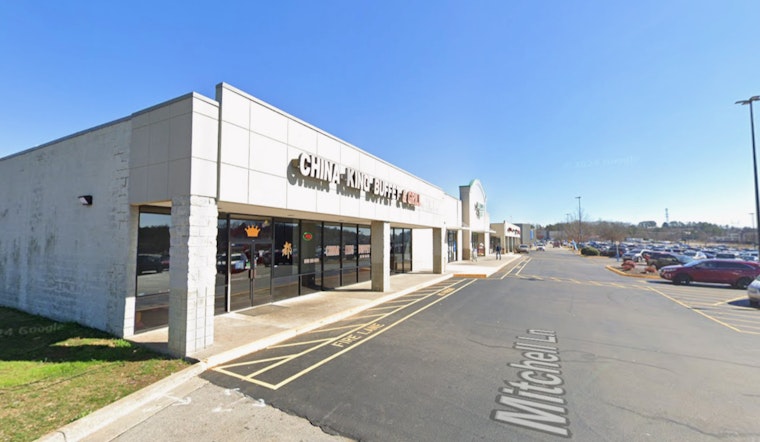
A routine health inspection at China King on Highway 321 in Lenoir City started as a standard check and quickly turned into a list of food safety red flags, including several canned goods the inspector described as "severely dented." Responding early to a customer complaint, the inspector ended up discarding the damaged cans and documenting sanitation and temperature problems that officials say could increase the risk of foodborne illness.
During the visit, the inspector found three large cans of peaches dented along the top and bottom seams and threw them out, along with dented cans of bamboo shoots and tapioca pudding. Raw fish was thawing in the three-compartment sink while dirty dishes filled that same sink, and a worker was seen washing hands without soap. Cooked fried chicken checked in at just 81°F, far below the required hot-holding temperature. The restaurant earned a failing score of 64 on that inspection and later a follow-up grade of 88 after corrections. The inspector also wrote that the person in charge "did not have managerial control" because of repeat violations from a failing inspection in November, according to WATE.
Why Those Dented Cans Raise Public Health Flags
Cans that are dented on seams or show bulging or leaks can compromise the airtight seal that keeps canned foods sterile. Once that seal is in question, especially with low-acid foods, conditions can allow harmful bacteria to grow. Because of that, inspection manuals tell regulators to discard severely damaged cans instead of trying to save them. As outlined by the Los Angeles County Department of Public Health, basic packaging integrity is one of the simplest safeguards against contamination.
Temps, Thawing and Handwashing
Food safety rules require hot foods to be kept at temperatures that slow or stop bacterial growth. The FDA Food Code sets the hot-holding mark at 135°F or higher, so an 81°F reading on cooked chicken is a significant lapse. Thawing raw fish in a prep or warewashing sink and skipping soap during handwashing both increase the risk of cross-contamination and violate standard procedures. State rules that adopt the FDA Food Code mirror those requirements, including the hot-holding standard cited in the Washington Administrative Code.
Follow-Up and Enforcement
The inspector returned early after the customer complaint and, following on-site corrections, recorded a follow-up grade of 88, up from the original failing score of 64. The FDA Food Code gives regulators authority to embargo unsafe food, require repairs, and even summarily suspend permits when there is an imminent health hazard, and health departments routinely conduct follow-up visits to verify corrections or tighten enforcement for repeat offenders. See the FDA Food Code for the legal framework many jurisdictions use.
China King appears to have completed the follow-up inspection, and customers with concerns can contact the Loudon County Health Department for the full inspection report or additional details. We will watch health department postings and local filings for any further developments.



