

























































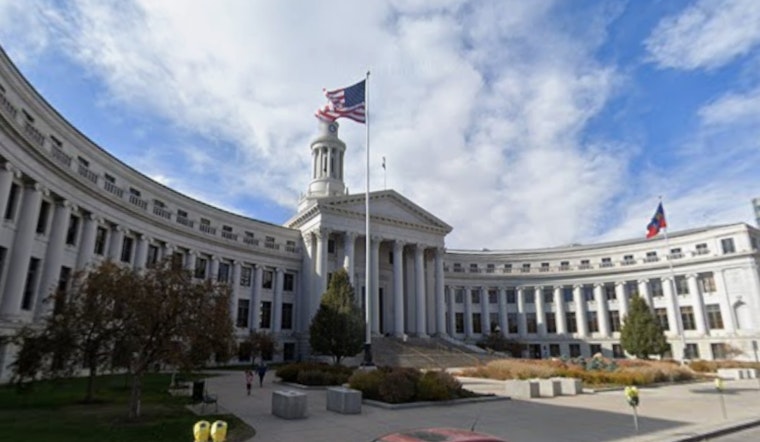
Denver is getting ready to pull its smallest buildings into its big climate playbook.
The city has opened a public process to overhaul its energy code, a move that could bring new efficiency and electrification-readiness rules to single-family homes and duplexes. Announced on Feb. 26, the effort would extend standards that have mostly applied to large commercial and multifamily buildings and invites residents, builders and technical experts into a rewrite of the rules. City officials say it is part of a broader push to cut carbon from buildings, which account for a large share of Denver's emissions.
What the update would do
At its core, the update would stretch the efficiency and electrification-readiness standards that began under the city's Energize Denver program to cover new and renovated small buildings, including single-family homes and duplexes. Denver's 2021 Energize Denver ordinance already requires energy benchmarking and step-down reductions for structures 25,000 square feet and larger, and officials regularly note that buildings are a major source of the city's greenhouse-gas emissions.
As reported by The Denver Gazette, the new effort launches a committee-driven review that will hash out the small-building code language before it heads into formal hearings.
Officials frame it as climate and savings policy
City planning leaders describe code updates as one of the most practical and enforceable tools they have to cut pollution while trimming long-term energy bills.
Denver has already started to clamp down on gas systems in larger projects. New gas furnaces and water heaters are being phased out in commercial and multifamily construction starting in 2024, with a full prohibition on gas heating and cooling equipment in commercial buildings planned for 2027, according to the city's energy-code materials maintained by Denver Community Planning and Development.
"Code updates like this one keep our rules and regulations modern, responsive and effective," Executive Director Brad Buchanan said, while Elizabeth Babcock of the Office of Climate Action, Sustainability and Resiliency argued that the changes "improve air quality, strengthen community health, and save people money on their energy bills." Those comments were reported in The Denver Gazette.
Builders warn about costs and participation
Home-building groups, already wary from the earlier rounds of Energize Denver rules, say they are bracing for higher construction costs.
"Energy mandates have a direct and measurable impact on the cost of constructing new homes," the CEO of the Home Builders Association of Metro Denver said in a statement reported by local outlets, adding that the group plans to stay deeply involved in the update. The association's recent newsletter details how local builders intend to engage with cities during code changes, signaling an industry strategy focused on practical timelines and phased-in requirements. HBA of Metro Denver is expected to be a regular presence at the negotiating table.
Industry pushback and legal fights
This push to expand the code lands in the middle of a broader, high-stakes fight over how far local governments can go in limiting fossil-fuel use in buildings.
Trade groups representing landlords, hotels and restaurants have already sued to challenge parts of Denver's rules for large buildings, and national fuel-industry organizations have publicly weighed additional legal action. Reporting by CPR News highlights the potential for well-funded national lawsuits that could reshape local code timelines and even which provisions survive.
Legal outlook
Litigation remains a wildcard. In August 2025, a federal judge revived an amended challenge to Colorado and Denver's energy standards for large buildings, a move that kept alive arguments over whether federal law preempts some of the rules.
The Gazette covered the revived case and its procedural twists, noting that the outcome could help decide how, or even whether, portions of the standards are enforced or extended. That means the small-building code rewrite may be shaped as much by what happens in court as by what happens in committee rooms.
How to take part
The city says it will form stakeholder committees and is asking residents, builders and technical experts to apply to join the public process.
Participation details and sign-up information are posted on the Denver Community Planning and Development energy-code page. Officials say those committees will help shape draft code language, which will then move through formal review and public hearings before any new requirements take effect.





