

























































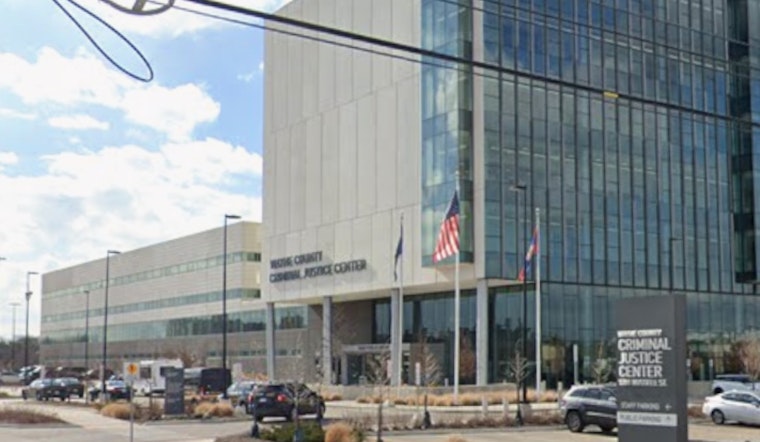
Yesterday, 69-year-old Timothy Morgan pleaded guilty to killing his wife, Kathryn Morgan, whose body was discovered in the couple’s Detroit apartment last May. The Wayne County Prosecutor's Office confirmed the plea, marking a grim turning point in a case that has unsettled family, neighbors and court staff alike.
Prosecutors describe brutal attack
According to prosecutors, Morgan stabbed 67-year-old Kathryn multiple times with a plastic sword before hitting her in the head with a pair of pliers. She was pronounced dead at the scene in the 18400 block of Conley Street.
Investigators say Morgan walked into a Detroit police precinct the next morning and confessed, telling officers, he "killed the demon pretending to be my wife and I'm turning myself in," as reported by FOX 2 Detroit.
Earlier court hearings and the scene
During an earlier arraignment, prosecutors told the judge the apartment looked like it was from a horror movie, with blood splattered throughout the unit. The case was first detailed shortly after Morgan’s May arrest, when he was charged with first-degree murder and denied bond on public-safety grounds, per Hoodline.
Mental-health questions raised
In court, Morgan’s court-appointed attorney noted he had no prior criminal record and had only recently moved back to Michigan after living in other states. She also told the judge he appeared to be struggling with mental illness.
The Wayne County Prosecutor's Office confirmed the guilty plea, and an assistant prosecutor called the details of the killing "one of the worst" she's ever seen, according to FOX 2 Detroit.
What happens next
Officials have not yet said whether Morgan’s plea was part of a negotiated agreement or when sentencing will take place. Future court records will spell out the next steps in the case, which was previously followed through the initial arraignment and early court calendar.





