

























































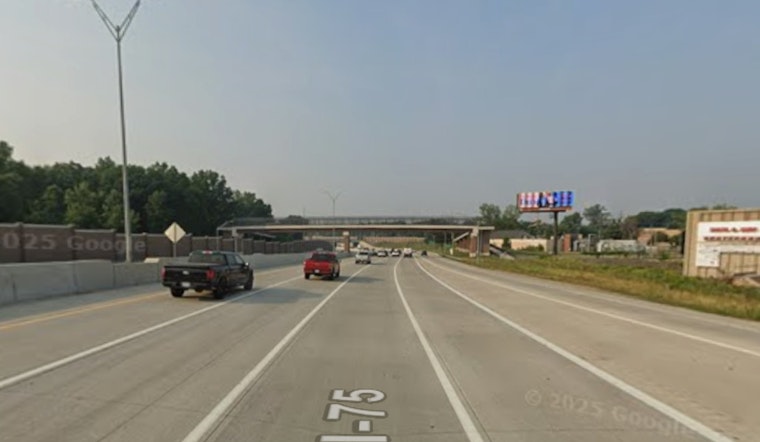
Detroiters who live and work downtown got their say today on an ambitious idea: capping portions of I‑75 with new parkland to knit downtown back together with Midtown. Planners used the session to walk attendees through updated engineering, traffic and environmental findings while gathering stories, memories and neighborhood feedback that could influence the final design.
Meeting Logistics and How to Participate
The Downtown Detroit Partnership hosted the in‑person meeting from 6 to 7:30 p.m. at the MSU Detroit Center, 3408 Woodward Ave., with light refreshments and validated parking on offer, according to the Downtown Detroit Partnership. Organizers also set up a storytelling booth so residents could contribute photos, memorabilia and oral histories that will help guide how the public spaces on the caps might look and feel.
Who’s Running the Feasibility Study
AECOM is leading the year‑long feasibility study that is testing structural, ventilation and traffic solutions for three proposed park caps, following the firm’s selection last summer. The planning phase is backed in part by a $2 million USDOT Reconnecting Communities planning grant to advance design work and make the effort shovel‑ready, according to DBusiness.
What the Community Has Already Chosen
During visioning sessions in 2024–25, residents settled on a preferred concept: three park caps stretching roughly from 3rd Avenue to Brush Street, a framework the feasibility phase is now testing for cost, traffic impacts and environmental constraints, as reported by the Michigan Chronicle. The study is scheduled to continue through June 2026, after which planners expect to have schematic plans, budget ranges and preliminary construction phasing ready to steer whatever comes next.
"This meeting is an opportunity for residents, stakeholders to review progress, share their stories, ask questions and help shape next steps for a project," Downtown Detroit Partnership CEO Eric B. Larson said in remarks reported by the Michigan Chronicle. Organizers stressed that continued community input will inform decisions about programming, access points and long‑term maintenance.
Next Steps and Timeline
The feasibility work will sharpen traffic and ventilation strategies and generate updated cost estimates over the coming months, and planners have said final engineering could be completed in 2026–27 with construction possible in 2028 or later, per reporting from Axios Detroit. Project leaders say additional federal, state and private funding will be needed to move from feasibility into construction, and more public meetings are planned before the study wraps in June.





