

























































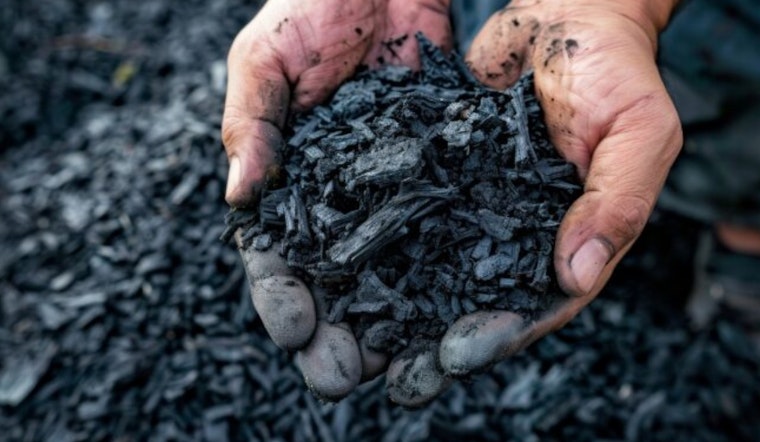
Douglas County is throwing its weight behind a new plant in Sedalia that officials say can turn mountains of leftover wood from forest thinning and wildfire mitigation into a soil product, while locking more carbon into the ground. County leaders are moving ahead with what they describe as a first-of-its-kind, county-run biochar operation that they hope will trim the cost of clearing hazardous fuels and, if all goes according to plan, bring in new revenue at the same time.
County Sells Biochar Hub as Local Fix With Regional Reach
According to Douglas County, the facility will sit in Sedalia just south of Airport Road off U.S. 85 and is scheduled to open in summer 2026. The county bills the site as a combined biochar production line and waste-diversion center that will take slash from mitigation work, household hazardous waste, and other hard-to-handle materials. Under an intergovernmental agreement, the county notes, Aurora Water has committed $100,000 toward construction.
A Pricey Shopping List To Turn Trees Into Char
County commissioners have signed off on purchases that include a $1.6 million pyrolysis rotating drum, a $1.1 million chipping and grinding system, and about $496,000 for feedstock handling, part of an initial outlay of roughly $3 million, according to The Denver Gazette. Along with conveyors and storage, that equipment is intended to turn woody waste into biochar, a charcoal-like material that can be blended into soil amendments. Officials say getting the machinery in place quickly is key so the county can start capturing material from ongoing mitigation projects instead of watching it pile up or get hauled away.
Throughput, Projections And When The Math Works
The Denver Post reported that the county expects to process about 10,000 tons of downed trees and woody debris each year and that consultants have outlined a broader capital buildout in the millions. The Post also reported county projections that annual biochar sales could land between $2 million and $2.2 million, compared with roughly $1.5 million in yearly operating costs, a forecast that would put break-even just under the ten-year mark. Those numbers anchor the county’s argument that the plant can both lower wildfire mitigation expenses and churn out a product that buyers actually want.
County Partners Call It ‘The Next Level’
Dylan Williams, Douglas County’s wildfire mitigation and resilience coordinator, told The Denver Post that biochar represents “the next level of wildfire mitigation.” Nash Leef, a consultant with Carbon Dynamics who worked with the county, told the paper the plant’s debut could come this fall after about a year of preparation and testing. County officials stress that local contractors and mitigation crews will finally have a close-by destination for woody debris that is otherwise costly to transport or dispose of.
Feeding The Beast: Where All That Wood Comes From
Douglas County expects most of the plant’s feedstock to come from local mitigation efforts, including fuel breaks and thinning projects on federal land. The U.S. Forest Service lists the Rampart Fuel Break among active fuels management projects in the Pikes Peak and South Platte ranger districts, work that generates exactly the kind of woody material the plant needs. Turning that wood into biochar is meant to keep it out of landfills and, the county says, cut down on long-haul disposal costs.
A Young Industry, A Growing Market
Industry analysts describe biochar as a small but swiftly expanding business. A market report from SkyQuest Technology places current global biochar sales in the low hundreds of millions of dollars and projects strong growth into the 2030s. Other local governments are already moving, with Minneapolis advancing contracts and bids for a city-run biochar production line, a sign that cities and counties are beginning to treat biochar as both a policy lever and a waste-management strategy. That evolving demand is central to Douglas County’s financial rationale.
Neighbors, Deadlines And The Demand Question
The county held a public open house this winter and says neighborhood impacts should be limited because the facility sits in an industrial area. Residents and local tree contractors told Denver7 they are glad to have a year-round drop-off site for mitigation debris. For now, the big unknowns are whether the plant can clear construction and permitting hurdles on schedule and whether regional demand for biochar, from agriculture to municipal stormwater projects to carbon markets, ramps up quickly enough to absorb what Douglas County plans to make. County announcements and local reporting will be the places to watch as those tests play out in the months ahead.




