

























































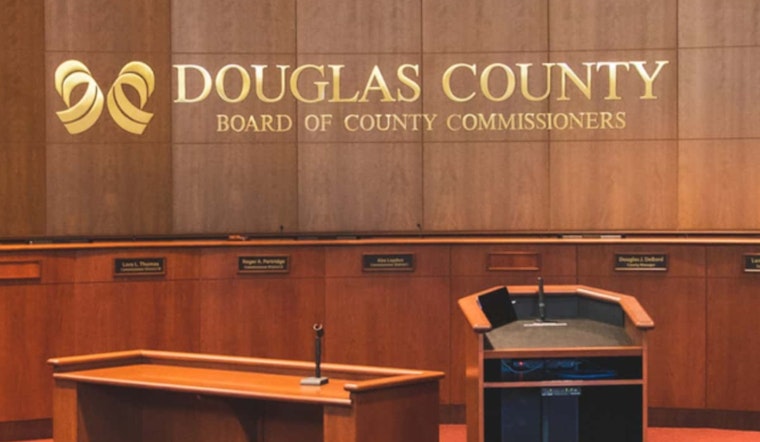
On Tuesday, in a tense Douglas County Board of County Commissioners meeting in Castle Rock, the board voted to strip general public comment from its regular business agendas and approved a new resolution pledging county resources to defend sheriff’s deputies in civil lawsuits. The twin moves lit a fire in the hearing room, with residents shouting from the audience and accusing commissioners of trying to shut down public oversight. Critics quickly linked the decision to last year’s bitter home‑rule battle and other recent political dustups that have already frayed trust between some community members and the board. Commissioners countered that the changes are meant to keep meetings on track and focused on official business.
County Says It Is Keeping Order and Protecting Attendees
County staff describe the change as removing the open‑ended “general public comment” period that used to come at the end of meetings, while still allowing comment on specific agenda items with a two‑minute cap per speaker, according to Douglas County. That site also notes that officials plan to funnel resident feedback into other channels, including email, phone calls, and new “Commissioner Office Hours,” and that signs and clothing with conspicuous political messages will be banned inside the hearing room. County leaders have framed the whole package as a way to prevent intimidation and keep meetings from turning into a spectacle for the cameras.
Resolution Pledges Legal Defense and Indemnification
The one‑page resolution approved by the board “commits County resources to Douglas County Sheriff’s deputies made a party to litigation arising from the performance of their duties,” and includes “providing a legal defense and indemnification as permitted by law,” according to Legistar. A cover memo lists the county attorney as the staff sponsor and urges commissioners to approve the measure. The document cites C.R.S. §30‑25‑107 as the legal authority for the board to commit county funds for this purpose.
Residents Erupt as Meeting Turns Testy
Video and reporting show the meeting grew increasingly combative as residents reacted to both the loss of general public comment and the plan to dedicate county resources to deputy litigation, as reported by CBS News Colorado. Several speakers accused commissioners of trying to shield themselves and law enforcement from criticism and warned the new rules would chill dissent in what is supposed to be a public forum. Despite the uproar, the board kept the item on its February agenda and moved the resolution ahead.
Critics Say Transparency Is Taking a Hit
“I’ve lost trust in the county commissioners,” Parker resident Emily Suyat told local reporters, arguing that the board is ducking public accountability in the wake of the home‑rule fight, according to Denver7. Denver7 also reported that the county has turned off comments on its social media pages and is steering residents toward private feedback options that critics say are far less transparent. Opponents warn that email and one‑on‑one meetings do not create the shared public record or collective discussion that traditional in‑person comment periods provide.
Open Questions on Law and the Price Tag
The resolution’s promise to indemnify deputies “as permitted by law” leaves unanswered how far the county will go and how much financial risk taxpayers might ultimately shoulder. The brief document does not spell out a funding source, a maximum dollar amount, or any other budget guardrails. That lack of detail, paired with prior complaints about closed‑door meetings and a 2025 lawsuit accusing Douglas County commissioners of violating open‑meetings laws, has watchdogs warning that the new policy could invite more litigation, according to Colorado Politics. County records show the resolution was submitted by the county attorney and placed on the Feb. 10 agenda, but do not include any spending estimate.
The board is slated to meet again on Feb. 24, and residents, along with government watchdogs, say they will be watching closely to see whether commissioners outline or formalize a funding mechanism for the promised legal support, according to the county’s meeting calendar on Legistar. For now, both the new comment policy and the indemnification resolution remain in place, setting the stage for more political friction in the weeks ahead. Agendas and the full resolution text are available on the county’s public portals for anyone who wants to read the documents in detail.





