

























































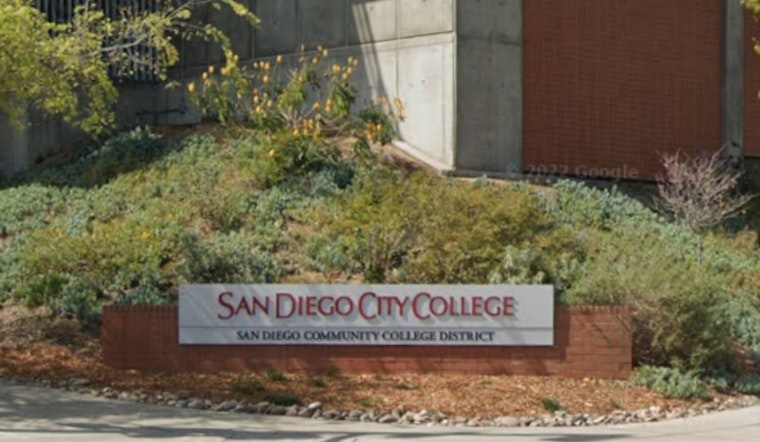
Ricky Shabazz arrived at San Diego City College with a blunt assignment: rebuild a downtown campus hollowed out by enrollment losses and pandemic disruption. His playbook mixes social-justice outreach and concrete, brick-and-mortar projects, from an on-campus barbershop to a new bachelor’s degree in cybersecurity and a planned student housing tower, all while he works to convince students to come back in person. It is a practical and political gamble that will ultimately be judged by whether more students enroll and complete their programs.
Installed as president last year, Shabazz has cast the turnaround as both a moral obligation and a management challenge. According to The San Diego Union-Tribune, City College’s recent headcount sits at about 14,236 students, and the paper put his compensation in the mid-six figures. The same profile noted that he expects enrollment to stabilize between 15,000 and 16,000 students over the next decade. In his view, a mix of small symbolic wins and larger, riskier bets is what it will take to rebuild downtown City College.
City Village Will Add Nearly 800 Beds Downtown
One of the biggest bets is City Village, a Measure HH-backed, public-private housing project intended to keep students living close to campus. According to San Diego City College, the seven-story complex is planned to include roughly 283 units and about 787 to 797 student beds, with construction scheduled from October 2025 through summer 2028. Administrators say pairing dorm-style housing with tutoring, wellness services and study spaces is meant to make it easier for students to stay enrolled and on track.
Fresh Cutz: A Barbershop Built To Connect Students
On a smaller but splashy scale, City College launched Fresh Cutz, an on-campus barbershop that offers free haircuts to students who can show they have filed a FAFSA and are enrolled in at least one class. District communications describe the shop as a social hub designed to reach Black and Latino men, pair haircuts with counseling, and nudge students toward financial aid and other retention services. Leaders say Fresh Cutz has become a hands-on retention tool; while students get a cut, they are also being plugged into food pantries, academic planning and other support programs.
The urgency behind these kinds of efforts shows up plainly in the data. As outlined by the San Diego Community College District, a 2024 Real College survey found that roughly 59% of responding SDCCD students reported housing insecurity and 44% reported food insecurity. The district also notes that City College earned a Black-Serving Institution designation in December 2025. Those basic-needs pressures help explain why housing, targeted outreach and scholarships now sit at the core of the college’s recovery plan.
From Certificates To A Bachelor’s In Cybersecurity
Another part of the strategy is academic. City College has launched a baccalaureate in Cyber Defense and Analysis, offering students a direct path to well-paid work in a hot sector. The program page on the college’s site details the curriculum, estimated costs and admission limits, and quotes Shabazz saying the degree aligns with the college’s mission to expand access and diversify the cyber workforce. Administrators hope the new bachelor’s pathway will serve as a concrete pipeline to above-living-wage careers for City College graduates.
The financial calculus around all of this remains delicate. As reported by the The San Diego Union-Tribune, Shabazz cited a current headcount near 14,236 and said he manages an operating budget roughly in the $120 million range while earning about $365,000 a year. The same profile noted that about 40 students will be the college’s first bachelor’s graduates in cybersecurity this spring, a small cohort that is symbolically important but unlikely by itself to move the overall enrollment needle. Critics warn that these expensive buildings and program bets ultimately depend on reversing years of post-pandemic declines in campus attendance.





