

























































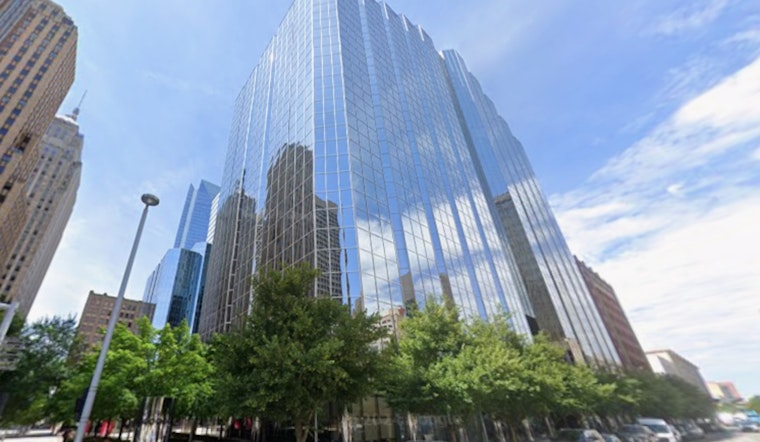
After a three-year hiatus, the Core to Shore review committee slipped back into action Monday and quietly set the stage for more people to live in the heart of downtown Oklahoma City. The panel signed off on two tax allocations aimed at turning long-vacant office buildings near Leadership Square into mixed-use apartment projects, marking the latest effort to bulk up housing in the city’s urban core, as reported by The Oklahoman.
According to The Oklahoman, the Core to Shore Reinvestment Area Review Committee approved a pair of tax packages while also weighing changes to an existing tax increment financing, or TIF, plan tied to two adaptive-reuse proposals. The allocations are structured to help bankroll the conversion of historic office towers into mixed-use developments that combine multi-family units upstairs with retail at street level, the report said.
How the TIF money works
Tax increment financing is a tool that captures future increases in property tax revenue inside a designated district and redirects that growth toward infrastructure projects and reimbursing certain developer costs, according to the City of Oklahoma City. The Core to Shore project plan, adopted in 2016, zeroes in on vacant, underused and historic commercial properties south of downtown in an effort to push rehabilitation and add new housing.
Projects and precedent
City officials have turned to TIFs before when trying to rescue high-profile landmarks. The Journal Record chronicled one earlier attempt to use TIF support to breathe new life into the Gold Dome as part of a broader redevelopment plan. Developers and preservation advocates argue that tapping increment revenue can make complicated, costly adaptive-reuse projects pencil out without an immediate hit to the city’s general fund.
Next steps
The committee’s approvals are recommendations, not final word, and now head to the City Council for a decision, The Oklahoman reports. If council members give the go-ahead, developers can start pulling reimbursements as they hit completion milestones, and city officials expect the office-to-apartment projects to add sorely needed units to a tight downtown housing market.
Why this matters for downtown
Supporters of the move say converting outdated office space into housing will put more residents on downtown sidewalks, help fill stubbornly empty storefronts and broaden the district’s appeal beyond the 9-to-5 crowd. Critics counter that every TIF deal diverts future tax growth that could otherwise flow to schools and other public services. The tug-of-war mirrors earlier council debates over how to slice and use downtown TIF districts south of the core to steer development, as reported by KGOU.




