

























































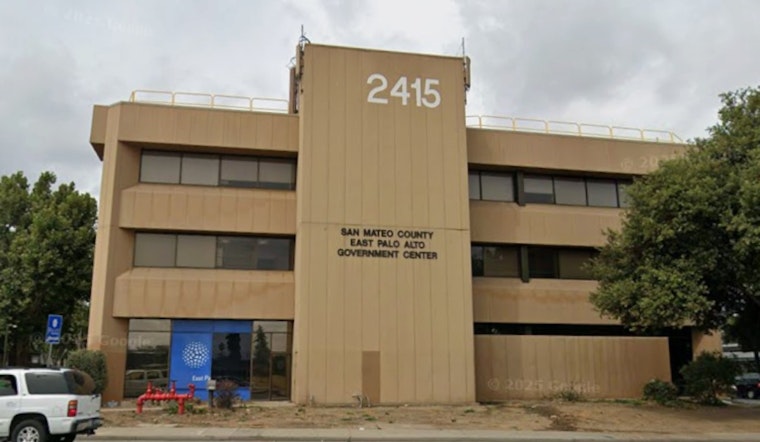
East Palo Alto is taking a hard second look at its Flock automated license-plate readers after nearby cities reported that sensitive plate data was accessed far beyond what local officials thought they had signed up for. In a city with a largely immigrant population, residents and at least one council member say the new revelations are forcing an uncomfortable question: Are the crime-fighting benefits worth the privacy tradeoffs?
The renewed scrutiny follows a string of disclosures on the Peninsula. Mountain View shut off its Flock cameras after a local investigation and internal audit found that hundreds of agencies had searched its license-plate records and that a nationwide lookup setting had opened the door to out-of-state and federal searches. Police Chief Mike Canfield said the lapse shook his confidence in the vendor and paused the program while the city decides what to do next, according to the San Francisco Chronicle.
In East Palo Alto, Councilmember Carlos Romero has pushed for a formal review of the city’s Flock pilot and a contract renewal that the council approved in December 2025. The council’s agenda-setting committee has now scheduled the issue for discussion, according to Palo Alto Online. City Manager Melvin Gaines has told staff that the city can still walk away from the agreement before it is executed while leaders gauge community concern.
How the local pilot works
East Palo Alto’s yearlong pilot began at the end of 2024 with roughly 25 fixed cameras positioned around the city to capture rear license plates. According to the city’s ALPR transparency materials, images are stored for about 30 days. Police officials credit the system with helping them quickly find vehicles linked to traffic collisions and sexual-assault investigations.
Those successes are now being weighed against the risk of creating what critics describe as a searchable, short-term driving log for ordinary residents. City materials and policies for the program are posted on East Palo Alto’s ALPR transparency portal: East Palo Alto ALPR portal.
Residents voice fear of immigration enforcement
Dozens of residents have warned elected officials that the cameras could be misused for immigration enforcement or used to map movement patterns in neighborhoods that already feel heavily surveilled. Public testimony documented by the Palo Alto Daily Post shows ongoing fears that license-plate data might be shared in ways that conflict with local rules or state law, even if that is not the city’s intent.
State law and enforcement actions
California’s ALPR statute, SB 34, limits how agencies can share license-plate information, including prohibitions on sending data to out-of-state or federal entities. The state attorney general has already taken enforcement action against agencies accused of breaking those rules. An October 2025 lawsuit against a Southern California jurisdiction, along with continued pressure from civil-liberties advocates, highlights the legal stakes for cities that lean on vendor-hosted ALPR networks. For background, see the attorney general’s statement from the California Department of Justice and analysis from the Electronic Frontier Foundation.
What happens next
The agenda-setting committee is expected to review staff findings and public comment before sending any proposed changes on the Flock pilot or contract to the full council, city officials told Palo Alto Online. Regardless of how East Palo Alto ultimately votes, the Mountain View disclosures have already pushed other Peninsula cities to press their vendors and auditors for tighter controls and clearer promises that ALPR databases will not be mined beyond what local governments believed they had authorized.





