

























































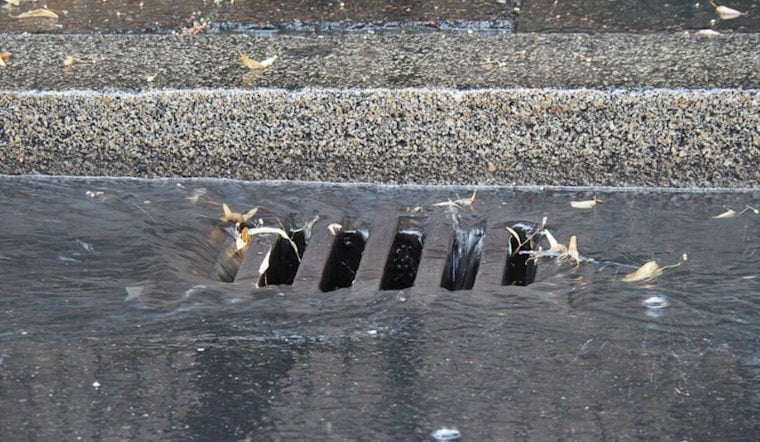
Environmental advocates are escalating a new front in California's water wars, asking regional regulators to force big-box stores, warehouses, and other sprawling commercial properties to get stormwater permits for their vast parking lots. They argue that runoff from those paved expanses is quietly delivering a heavy load of toxic metals and other pollutants into rivers and beaches, and that private landowners should help pay for cleanup infrastructure that cities now largely fund on their own. Business groups warn the move could stick property owners with steep, retroactive costs and put a chill on new development. The strategy leans on a relatively obscure provision of the Clean Water Act and could set off a lengthy legal and regulatory fight across the state.
According to the Los Angeles Times, the California Coastkeeper Alliance and several local Waterkeeper chapters filed petitions this week asking multiple regional water boards to require permits for "commercial, industrial and institutional" (CII) sites that drain into already impaired waterways and beaches. Advocates cited estimates that unregulated businesses account for a sizable share of metals such as copper and zinc found in local waterways, threatening fish and other aquatic life.
San Diego Coastkeeper, which submitted a petition to the San Diego Regional Water Quality Control Board on June 1, argues that privately owned CII facilities occupy only 11% of the Lower San Diego River watershed but generate an estimated 31% of the phosphorus that is degrading the river. "Regulators have both the authority and obligation to require permits for commercial, industrial, and institutional stormwater discharges that are polluting local waterways," Sean Bothwell, executive director of the California Coastkeeper Alliance, said in the group's press release. The filing urges the regional board to use federal residual designation authority and to require these sites to obtain National Pollutant Discharge Elimination System, or NPDES, permit coverage.
What the petitions would require
The petitions call on regulators to require CII facilities to follow one of several compliance paths, including on-site green infrastructure, direct treatment with monitoring, or pooled funding for regional stormwater projects. Those approaches are outlined in the Los Angeles Regional Water Board draft CII permit materials. Under that draft framework, property owners would have to prepare site-specific stormwater pollution prevention plans, conduct sampling, and install measures such as bioswales or retention systems, or participate in watershed-scale fee programs that fund shared projects. Regional staff have already published an economic analysis that sketches out capital and operating cost estimates for the different compliance options.
Who pays now, and what is at stake
Local governments currently shoulder a large share of stormwater responsibilities. An analysis from the UCLA Institute of the Environment and Sustainability estimates that municipal stormwater spending in California exceeds $700 million per year. Advocates contend that folding CII sites into a permitting program would push more investment into long-term, multi-benefit green infrastructure and reduce the load on cash-strapped cities and counties. Opponents counter that the up-front price tag, which some regional studies place in the hundreds of thousands of dollars per acre for built treatment systems, would land squarely on property owners. Environmental and engineering consultants have mapped out detailed cost ranges for the different compliance pathways.
Business reaction and the political backdrop
Business interests are lining up in opposition. The Los Angeles Times reports that spokespeople for the California Chamber of Commerce and the Los Angeles County Business Federation argue the petitions could saddle companies with retroactive obligations and move forward without adequate economic analysis. A prior attempt to handle the issue in Sacramento, AB 1313, would have created a similar statewide permit structure but failed to advance in 2025, according to a CalChamber Alert summary of the bill's fate.
Legal process and what to watch
Under federal rules, regional water boards must consider such petitions and can use the Clean Water Act's residual designation authority to pull currently unregulated stormwater sources into the NPDES program. San Diego Coastkeeper notes that a regional board typically must act on a petition within 90 days. The current filings follow an EPA Region 9 final residual designation in November 2024 that required NPDES coverage for certain CII discharges in the Dominguez and Los Cerritos watersheds, a precedent advocates are now pointing to. If regional boards or the State Water Resources Control Board decide to proceed, affected properties could be required to register, conduct sampling, and either add on-site controls or join regional treatment projects to meet numeric stormwater limits.
Next up, regional water boards are expected to open public comment periods and hold workshops and hearings in the coming months. If local efforts splinter or stall, the State Water Board could be asked to craft a broader statewide permit. For property owners and local officials, the immediate question is whether the technical data and economic analyses will be sharpened enough to make any sweeping approach both politically palatable and legally durable.





