

























































New Orleans is gearing up for another round of political wrangling over state funding for big-ticket events, while one of its crown jewels still has a hefty bill hanging over it. The organization behind the Essence Festival of Culture is carrying unpaid balances tied to last summer’s programming, and some local vendors say they are still waiting on money for work connected to the 2025 festival. That mix of lingering invoices and fresh funding requests has city officials, lawmakers and small businesses watching very closely.
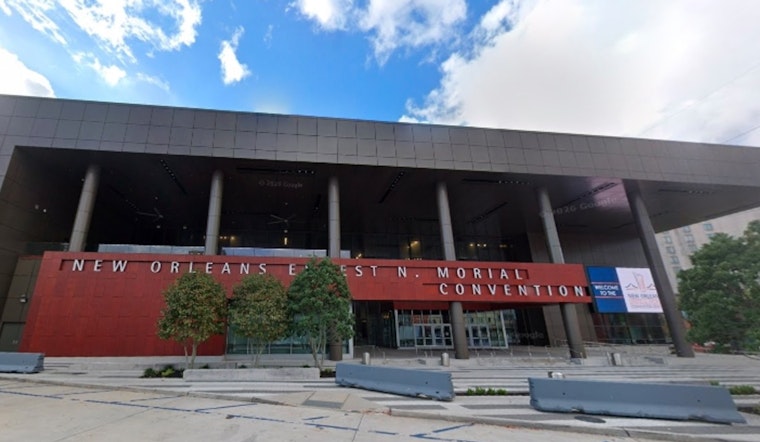
Public records and a statement from the Ernest N. Morial Convention Center show that as of last Tuesday, the festival owed $456,000. The center reported receiving a $50,000 payment on Wednesday, leaving roughly $406,000 still outstanding. Convention center billing records say event balances are supposed to be settled within 30 days, a deadline that has already come and gone for charges tied to the 2025 festival. State lawmakers and city officials have pointed to the unpaid tab as they debate future support for marquee events, as reported by NOLA.com.
State Money On The Line
In recent budget cycles, the Legislature has put real money behind major attractions, including a $1.2 million set-aside for Essence in 2025. That line item is now part of a larger debate over whether more public support is warranted. The outstanding vendor and venue bills are turning what could have been a routine tourism subsidy into a political flashpoint, as lawmakers review this year’s requested grants and incentive packages, according to reporting by Yahoo.
Economic Impact Versus Unpaid Bills
Supporters of the festival are quick to point to its financial punch. A Dillard University economic-impact study last year estimated that the Essence Festival generated about $346 million for New Orleans. Organizers and city leaders regularly cite that figure when they make the case for continued public backing. That kind of money is why tourism and business officials say they want the festival to stay put in New Orleans, even as local vendors emphasize that the feel-good numbers ring hollow if contractors are left chasing their checks. The Dillard estimate is highlighted by Essence and in other local coverage.
Vendors Say They Are Still Waiting
Several New Orleans-area vendors, along with at least one production company, have told reporters that they have not received full payment for work connected to the 2025 event. An unnamed source cited in coverage said one production firm’s claim topped $1 million. Sundial Media Group, the festival owners’ parent company, has pushed back on that larger figure in statements to the media. Organizers say they are sorting through outstanding invoices at the same time they plan future programming, according to reporting by NOLA.com.
Legal Risks And Budget Pressure
The fine print matters here. Contract terms and municipal billing rules allow unpaid balances to trigger collection efforts and reputational fallout for event organizers, and public agencies that hand out grants generally expect recipients to stay in good standing. Lawmakers have already suggested they will factor the unresolved bills into decisions about future funding packages. Vendors, meanwhile, can lean on contract remedies if invoices sit unpaid for too long, turning a slow-pay situation into a more formal dispute.
What Comes Next
Over the coming legislative session, three threads will be worth tracking closely: whether lawmakers approve new money for major events, whether Essence and its vendors reach agreements on the outstanding invoices, and whether any terms change in the festival’s local contracts and vendor relationships before the 2026 season. For now, city officials and festival representatives say conversations are ongoing and that many vendors are coming back on board. The real test will come with follow-up reporting that confirms who actually got paid and how the state ultimately decides to deploy its tourism dollars.





