

























































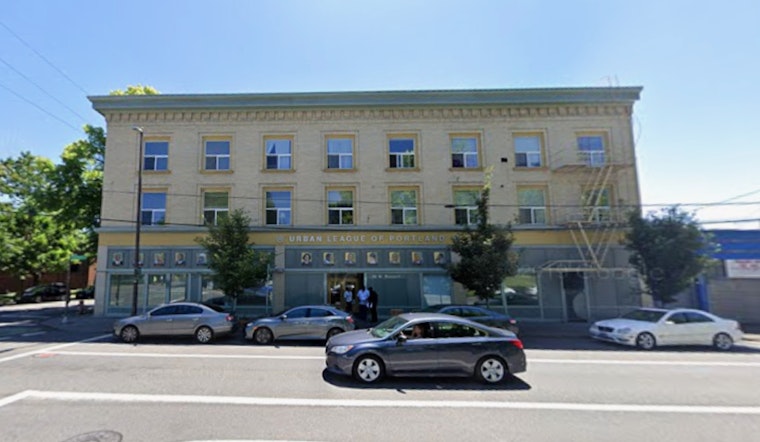
The Urban League of Portland says it has been hit with an eviction notice from the nonprofit that owns its longtime headquarters, giving the civil rights group just days on the calendar to vacate a building it has helped steward for decades. The notice sets a March 1, 2026, deadline and warns that the owner will seek court action if the parties cannot reach a voluntary surrender agreement. The move ramps up an increasingly public rift between two Black-led organizations over the future of a landmark site in North and Northeast Portland.
The eviction letter, sent on behalf of Portland Community Reinvestment Initiatives and signed by Miller Nash attorney Ryan Hall, states that the league's month-to-month tenancy will terminate effective March 1 and “constitutes notice to Tenant of Landlord’s intent to file a forcible entry and detainer complaint,” as reported by Willamette Week. The notice, which arrived Wednesday afternoon, gives the Urban League a tight window to either negotiate a voluntary surrender or brace for a legal fight. According to the same reporting, the letter also warns that the landlord will seek to retake legal possession of the premises unless the two sides strike a deal.
The Urban League says it had already stopped delivering services out of the building after staff and leadership decided the space became uninhabitable in 2025, citing flooding, pest infestations and security problems. The organization’s assessment and its decision to move employees off site were described by KPTV, which reported that the vacancy has disrupted walk-in housing, senior and youth programming. Local coverage has also noted that PCRI relocated apartment tenants from the building’s upper floors last year because of the same maintenance problems.
Portland Community Reinvestment Initiatives is a longtime affordable housing nonprofit that lists hundreds of rental units and resident programs on its website. PCRI describes itself as a steward of affordable housing in North and Northeast Portland and says resident services and homeownership efforts are central to its work. Its stated mission and portfolio are outlined by Portland Community Reinvestment Initiatives.
The clash has deep roots. The Urban League bought the building in 1985, and PCRI later acquired it during a period when the league was facing financial distress, with the intent that the property would be preserved. Talks over a possible return of the building to the Urban League and a brief mediation process eventually fell apart, leaving the groups sharply divided over what had been promised and what was expected, as detailed by Willamette Week. The collapse of negotiations has helped turn a dispute over bricks and mortar into a broader civic conversation about who should steward a key site for Portland’s Black community.
Legal Road Ahead
From a legal standpoint, the landlord’s letter is a signal that a formal eviction proceeding, known as a forcible entry and detainer (FED), is likely coming. Oregon law spells out the process in ORS Chapter 105, and courts treat a FED as a narrow, fast-moving case that decides who is entitled to possession of the property. For official information on procedures, forms and timelines, see the Oregon Legislature for ORS Chapter 105 and the Oregon Judicial Department for its landlord-tenant guidance.
What Comes Next
The March 1 deadline puts immediate pressure on both organizations to either cut a voluntary deal or prepare to battle it out in court within weeks. If PCRI files a FED complaint, the matter could move quickly through circuit court, although motions, stays or appeals could stretch the timeline. Elected officials and community groups are expected to weigh in as the nonprofits argue over who should repair, control and manage the building going forward.
For now, the Urban League is continuing limited services from off-site locations, and community leaders say they will be watching closely to see whether public dollars or political leverage are used to preserve the property and its affordable housing. Neighbors and others seeking more information about the landlord’s broader housing work can look to Portland Community Reinvestment Initiatives as the dispute unfolds.



