

























































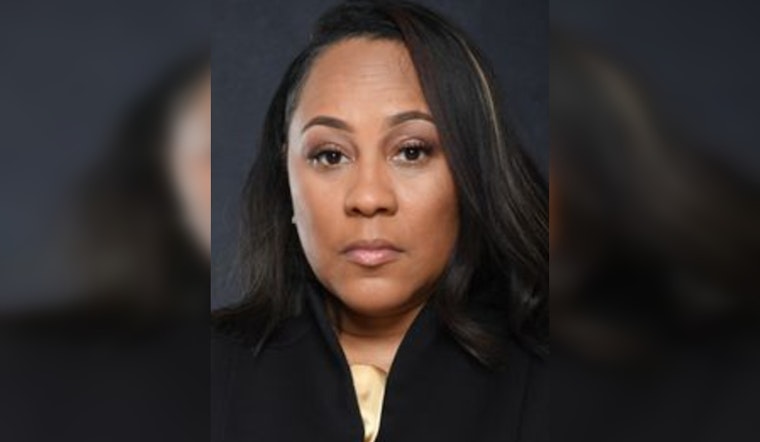
Fulton County District Attorney Fani Willis is warning that nearly $17 million in legal fee demands from Donald Trump and other former defendants could blow a hole in her office’s finances and land squarely on local taxpayers. In a new court filing, Willis cast the reimbursement push as an aggressive overreach tied to a prosecution that was dismissed after she was disqualified, urging a judge to reject most of the requests. What started as a fight over attorney bills is now shaping up as a looming budget brawl in Fulton County.
Willis Pushes Back on the Price Tag
In the filing, Willis said the combined reimbursement bids, which total about $16.9 million and include a $6,261,613.08 request from former President Trump, amount to a “suitably preposterous sum” that could “strip a significant percentage (perhaps all)” of her office’s yearly funding, according to The Atlanta Journal-Constitution. Her office asked the judge to go through the submissions line by line and toss out entries that are vague, duplicative or not actually tied to work done in Fulton County.
How the Law Works, and Who Is Crying Foul
The fee bids rest on a 2025 Georgia law that lets defendants seek their money back when a prosecutor is disqualified and the case later gets tossed, with the judge in charge of deciding what qualifies as a reasonable payout, as reported by The Associated Press. Pete Skandalakis, executive director of the Prosecuting Attorneys’ Council of Georgia and the prosecutor who ultimately dismissed the remaining charges, has argued in a filing that the statute is likely unconstitutional because it can saddle county governments with judgments they have little real power to fight.
DA Targets Luxury Tabs and Fuzzy Billing
Willis’s response zeroes in on itemized charges she says are either padded or murky, including luxury hotel stays, meals costing hundreds of dollars, redacted invoices and fees for routine tasks she characterizes as secretarial, and asks the court to strike any claims that are unsupported or repetitive, according to The Atlanta Journal-Constitution. She also points to what she calls fuzzy language in the statute itself, noting that it refers to “improper conduct” without spelling out a clear standard for when counties are supposed to be on the hook financially.
What Is at Stake for Fulton Taxpayers
If the judge signs off on the fee motions, the money would come straight from county-budgeted funds, a setup that has already sparked warnings that the law could discourage prosecutors from taking on politically charged cases or force counties to pull money from other services, per The Washington Post. Attorneys and officials say there are still unresolved questions about what counts as a “reasonable” hourly rate and whether something like an appearance of impropriety is enough to trigger liability under the statute.
What Comes Next in the Fee Fight
Willis has asked the court for a full chance to respond in writing and argue against the fee motions in court, and the judge will ultimately decide which, if any, of the requested amounts are reasonable under the 2025 law, according to The Associated Press. Any award is expected to draw appeals, and the clash over the statute is likely to spill beyond this case, with more battles anticipated in the courts and at the Georgia Capitol over whether to narrow or rewrite the law to limit how much financial risk counties face.





