

























































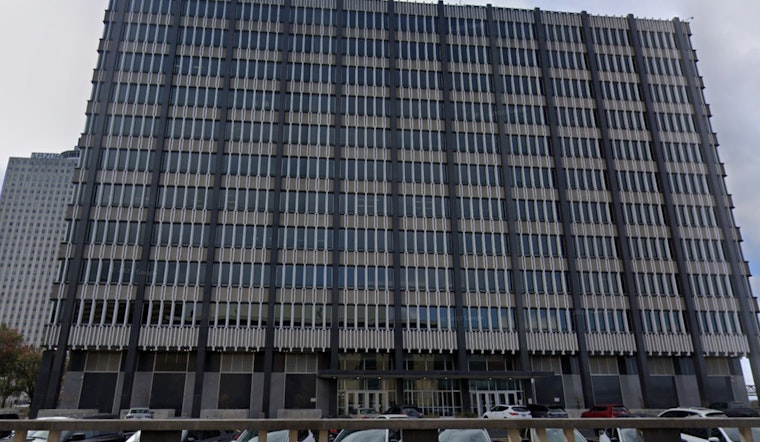
A Memphis woman is headed to federal prison for a year and a day after admitting she joined a pandemic-era scam that prosecutors say drained more than half a million dollars from COVID relief programs. The case is one of several federal prosecutions accusing local defendants of using fake unemployment claims and bogus paperwork to raid emergency aid that was supposed to keep families afloat in 2020.
Karen Guevara, 38, pleaded guilty to conspiracy to commit wire fraud and to making false claims against the United States. A federal judge also ordered three years of supervised release after her prison term, according to WREG. Local coverage notes she is the third Memphis woman convicted and sentenced in overlapping pandemic-benefits schemes, with the sentencing handed down this week in federal court in Memphis.
Prosecutors Say the Scam Reached Across Dozens of States
Federal prosecutors say Guevara and others filed fraudulent unemployment claims in multiple states and used fabricated termination notices to tap Tennessee’s Emergency Cash Assistance program. A press release from the U.S. Attorney’s Office in the Western District of Tennessee ties co-defendant Deashley Tabor to more than $560,000 in fraud involving filings in more than 27 states and identifies roughly $20,000 in losses to the ECA program. The U.S. Attorney’s Office said investigators from the Department of Labor and the Department of Health and Human Services inspector general offices worked the case.
Other Local Defendants Pulled In by the Same Probes
The Western District has already prosecuted multiple people in related pandemic-fraud schemes. One federal release notes that Deashley Tabor received a 41-month sentence in January after pleading guilty to conspiracy to commit wire fraud and making false claims, while Rochelle L. Turner previously pleaded guilty and was sentenced to five months in prison followed by five months of home detention for attempting to defraud the ECA program. The U.S. Attorney’s Office has said these cases are part of a coordinated push to claw back pandemic-era funds.
What Guevara Admitted to in Court
Guevara acknowledged taking part in a conspiracy to file false claims for unemployment and emergency cash assistance in 2020, the year those programs ballooned to respond to COVID’s economic shock. Under federal law, both conspiracy to commit wire fraud and making false claims against the United States are felony offenses. The judge imposed the one-year-and-one-day sentence followed by supervised release as part of a negotiated resolution reported by WREG.
Investigators from the Department of Labor Office of Inspector General and the HHS Office of Inspector General took part in the probe, and prosecutors say the office will continue bringing cases tied to abuse of pandemic-relief systems. Victim agencies may seek restitution, and the government is still working to recover fraud proceeds linked to these schemes.





