

























































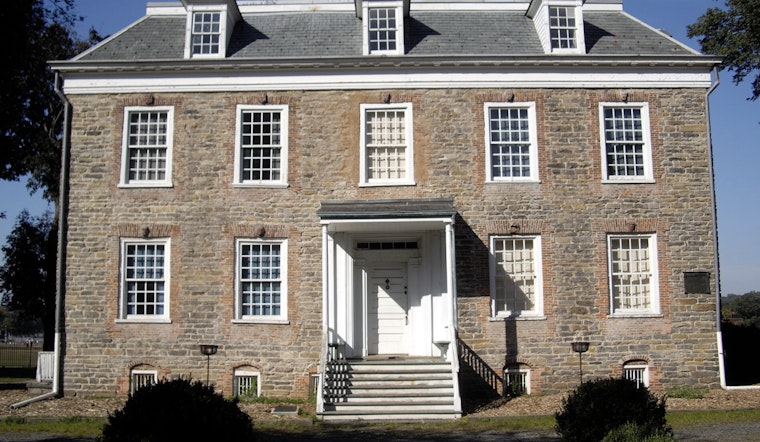
The federal government and New York City have inked a court-approved deal that will finally make the Van Cortlandt House Museum in Van Cortlandt Park accessible to people with disabilities. The 1748 house, the Bronx’s oldest standing building and a National Historic Landmark, is headed for a careful makeover: the city will alter the basement and first floor, keep short-term fixes at the on-site cottage, and work under firm deadlines to get it all done. The settlement effectively turns a historic house museum into a test case for how far the Americans with Disabilities Act can and should reach.
According to a press release from the U.S. Attorney’s Office for the Southern District of New York, U.S. District Judge J. Paul Oetken entered the settlement to resolve alleged ADA violations at the Van Cortlandt House Museum. Under the order, the Parks Department must submit a design plan for accessibility modifications by May 1, 2027, then finish all work within five years of the court-approved agreement. Federal officials noted that Parks previously installed a wooden ramp to the cottage after the United States issued its findings letter, and the city is required to keep that ramp in place while the longer-term capital project moves ahead. Assistant U.S. Attorney David J. Kennedy is handling the matter for the Office’s Civil Rights Unit.
What the settlement requires
The agreement directs the Parks Department and the Historic House Trust to launch a capital project that will create barrier-free access to the house’s lower levels and provide audio-visual depictions of areas that cannot reasonably be retrofitted, according to amNewYork. The settlement lays out specific problem spots: uneven surfaces, abrupt level changes, narrow doorways, inaccessible restrooms and a lack of braille signage that currently block visitors with disabilities. Where structural changes would damage historically significant parts of the building, the city is required to offer high-quality virtual access so visitors can still experience rooms that a ramp or lift cannot reasonably reach.
Museum background and short-term fixes
The City has operated the Van Cortlandt House as a museum since 1897, and a cottage added in 1910 now serves as the welcome center and gift shop, per NYC Parks. After the United States issued its findings, Parks installed a wooden ramp so wheelchair users could get into the cottage, and the settlement locks that temporary fix in place while design work for the main house plays out. The agreement also calls for iPads or similar devices at the cottage to let visitors with disabilities take virtual, 360-degree tours of parts of the house that cannot be made physically accessible without causing undue harm to historic features.
Federal enforcement angle
"The ADA applies to all places of public accommodation, even those that predate our Declaration of Independence," U.S. Attorney Jay Clayton said in announcing the deal, according to the U.S. Attorney’s Office for the Southern District of New York. The Justice Department credited the Disability Rights Section and its architectural staff for their work on the case. For the SDNY, this settlement lines up with other recent ADA enforcement efforts targeting major New York venues and cultural institutions, signaling that even beloved historic spots are not off-limits when it comes to accessibility.
Legal implications
The case is listed as UNITED STATES v. THE CITY OF NEW YORK DEPARTMENT OF PARKS & RECREATION, No. 25-CV-496 (JPO), on Leagle. The settlement illustrates how courts try to balance ADA requirements with historic-preservation limits, by pushing for on-the-ground changes where feasible and requiring alternatives where physical alterations are not "readily achievable," a concept spelled out in the agreement and noted by amNewYork. In practice, Parks has to spell out which modifications are feasible, protect the building’s historically significant fabric, justify why some areas cannot be altered, and still deliver meaningful virtual access for visitors who cannot navigate the remaining barriers.
What visitors should expect
For now, visitors can continue to use the temporary wooden ramp to reach the cottage and welcome center, where staff will be able to offer virtual tours via on-site devices while architects and preservation officials hammer out plans. For current hours, programs and visitor guidance, the Parks Department keeps its Van Cortlandt House Museum page updated on NYC Parks. Once the city submits its design plan next year, that document will drive the detailed construction schedule and any phased closures, and under the settlement the city then has five years from the plan deadline to finish the accessibility work.



