

























































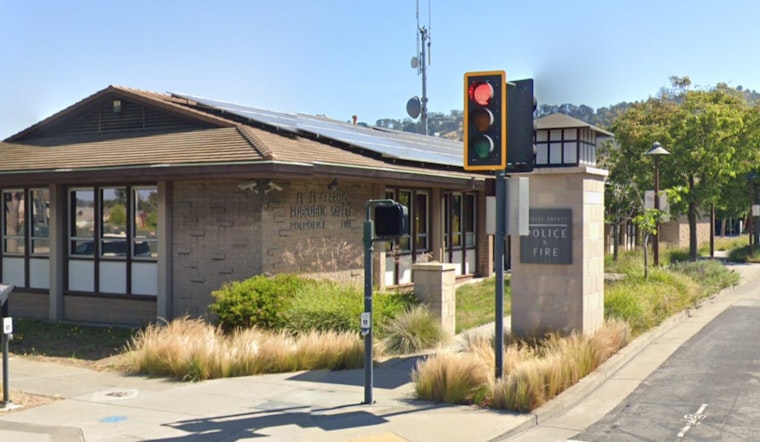
El Cerrito police say an internal review found that outside and federal law enforcement offices were able to query photographs captured by the city's Flock license plate readers during the system's early rollout and in a small number of later searches. The department is calling that outside access regrettable and plans to walk residents through what happened at a public meeting next month.
Audit: How Outside Agencies Got In
In a statement to Contra Costa News, the El Cerrito Police Department said staff audited the Flock network after similar reporting about other Bay Area cities and uncovered unexpected data sharing while reviewing usage logs. According to the department, those broad sharing settings were in place during the initial installation window, and administrators later limited access so that only California agencies could query the system.
The review lists the Federal Bureau of Investigation, the Bureau of Alcohol, Tobacco, Firearms and Explosives, the GSA Office of the Inspector General and the National Park Service as among the federal offices that were able to search El Cerrito's plate photographs during the rollout period. The city also reports that the U.S. Postal Inspection Service queried the network between September and November 2023 and that Loma Linda Veterans Affairs police ran two searches in May 2025. At the same time, the department says its review found no searches by federal immigration agencies, according to El Cerrito's Flock transparency portal.
Vendor Response And The Wider Bay Area Reaction
El Cerrito officials say they met with Flock Safety, and the company told investigators that early configuration settings could have caused the Postal Inspection Service to appear in state-only searches and may have mistakenly categorized the Loma Linda VA police as a state agency. Flock told the city those errors were fixed in 2023. The company has said it put additional safeguards in place after similar incidents surfaced elsewhere, and national reporting has shown that Flock paused some federal cooperation amid growing scrutiny, according to the AP. Local coverage of a Mountain View shutdown offers added context, as reported by the San Francisco Chronicle.
What This Means For Residents
Privacy and immigrant-rights advocates have long warned that vendor settings and multi-jurisdictional data sharing can create backdoor access to detailed movement histories, and El Cerrito's disclosures fit a broader pattern that has triggered questions across California. State rules already require written policies and limits on how automated license plate reader data can be shared, and the Attorney General has issued bulletins spelling out how agencies using plate-reader systems must comply with SB 34 and SB 54, according to the California Attorney General.
Public Meeting And Next Steps
The El Cerrito Police Department says it will host a community meeting on Tuesday, March 10 at 4 p.m. at the Hana Gardens Community Room to review the audit findings, demonstrate how data sharing is now controlled and answer questions from residents. The department is also pointing the public to its transparency portal for a full list of agencies that have been granted access and for the program's written policies, according to Contra Costa News.
Officials say they regret that images were available to out-of-state and federal accounts during the early rollout and that they are satisfied with Flock's fixes so far. Even so, the new disclosures are likely to sharpen local debate over vendor controls, oversight and the tradeoff between investigative value and personal privacy. Residents who want more detail are being directed to the city portal and to the March 10 meeting for direct answers from police staff.





