

























































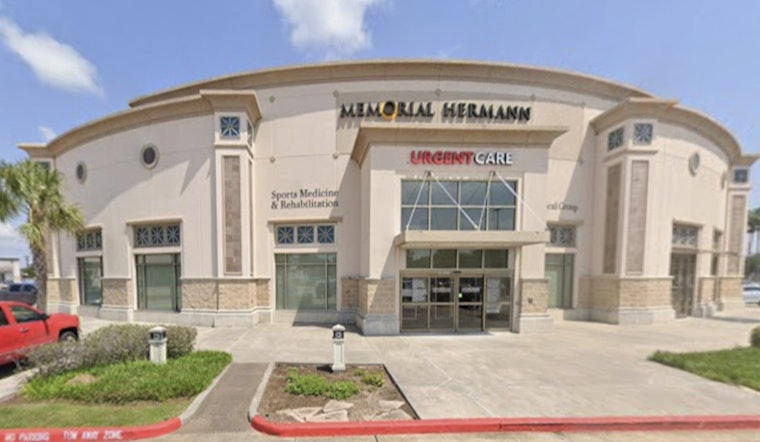
A high-profile Houston transplant surgeon turned himself in to federal authorities Thursday after a grand jury indicted him on charges that he falsified patients' medical records, allegedly making some people on the transplant list ineligible for donor organs without their knowledge. John Stevenson Bynon Jr., 66, who previously led Memorial Hermann's abdominal transplant programs, surrendered and is set for an initial appearance before a magistrate judge. Prosecutors allege his record entries left patients and families unaware they were effectively blocked from organ offers for months while they continued receiving care at the hospital.
What the indictment alleges
According to a press release from the U.S. Attorney's Office, Southern District of Texas, an indictment returned Jan. 14 charges Bynon with five counts of making false statements in health care matters. The filing alleges that while serving as Director of Abdominal Organ Transplantation and Surgical Director for Liver Transplantation at Memorial Hermann - Texas Medical Center, Bynon entered false information in patients' medical records and in United Network for Organ Sharing criteria, which allegedly rendered some candidates functionally ineligible to receive donor offers.
"Dr. Bynon is alleged to have betrayed the most sacred duty of a medical professional - to heal," U.S. Attorney Nicholas J. Ganjei said in the release, framing the case as a serious breach of trust for some of the sickest patients in the health care system.
Hospital fallout and past probes
The indictment tracks closely with problems that led Memorial Hermann to pause its liver and kidney transplant programs in 2024 after the hospital discovered what it called "inappropriate changes" to donor acceptance criteria, as reported by the Houston Chronicle. Regulators later designated the system a "member not in good standing" with the national transplant network, and families of affected patients filed lawsuits, according to Houston Public Media.
After additional oversight and corrective measures, the hospital reactivated its abdominal transplant program in April 2025, the local station ABC13 reported.
Legal stakes and next steps
Bynon faces five counts of making false statements in health care matters, with each count carrying a potential sentence of up to five years in federal prison and a $250,000 fine, according to the U.S. Attorney's Office. The release states that he surrendered to authorities and was scheduled for an initial appearance at 2 p.m. before U.S. Magistrate Judge Dena H. Palermo.
The investigation is being led by the FBI and the Department of Health and Human Services Office of Inspector General, per prosecutors. Assistant U.S. Attorneys Sherin Daniel and Suzanne Elmilady are handling the case for the government.
What this means for patients
Prosecutors and patient advocates say the alleged falsification of records could have life-altering consequences for people waiting on transplant lists, potentially removing candidates from consideration during the tight time frames when organs are available. The Houston Chronicle has reported on families who say they lost critical time and possible transplant opportunities while they waited for explanations and, in some instances, sought care at other transplant centers.
The federal indictment now layers criminal charges on top of ongoing civil lawsuits and regulatory questions that have surrounded Memorial Hermann's transplant program for more than a year.
What to watch next
Coming milestones include Bynon’s arraignment, any move to unseal portions of the grand jury record, and potential expansion of civil suits against Memorial Hermann as plaintiffs gain access to evidence gathered by federal prosecutors.
Memorial Hermann and UTHealth have previously said they cooperated with regulators and notified affected patients, while prosecutors say they intend to continue pursuing justice for those impacted as the case works its way through federal court. For now, the clearest view of what happened is likely to emerge through new court filings and any future public statements from the hospital system.





