

























































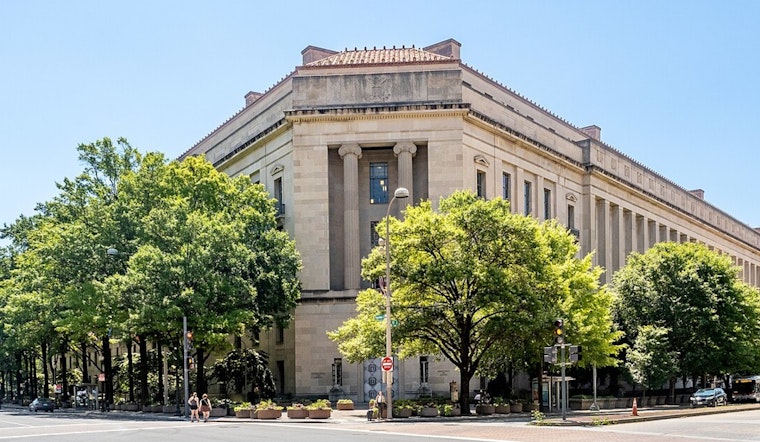
The Justice Department has turned up the pressure in Florida, rolling out a new batch of subpoenas on Tuesday, Feb. 17, 2026, in a grand jury investigation of how U.S. agencies responded to Russian interference in the 2016 presidential race. Prosecutors have widened their document demands beyond the original focus on the January 2017 intelligence assessment, now pressing for records from the years that followed. Several former intelligence officials have been swept into the inquiry, and lawyers for former CIA director John Brennan say prosecutors have formally labeled him a target of the probe.
Subpoenas stretch past the 2017 assessment window
The latest subpoenas broaden earlier demands that zeroed in on records from the months surrounding the January 2017 Intelligence Community Assessment and now seek “any records” from the subsequent years, according to the Associated Press. The expanded scope signals that investigators are looking beyond how the report was drafted and into how agencies and officials handled follow up, internal debates, and related communications afterward.
Where the Florida probe started
The investigation took shape in November, when prosecutors in the Southern District of Florida launched a wave of subpoenas for documents tied to the preparation and coordination of the 2017 assessment. That initial round reached multiple former intelligence and FBI officials, the Guardian reported. Critics have cast the inquiry as politically driven, and it has already sparked questions about why it is being run out of that district and how the local U.S. attorney’s office is staffed for the case.
Brennan’s legal fight over which judge gets the case
Brennan’s lawyers say prosecutors told them he is a target and, in December, they asked the chief judge of the Southern District of Florida to block the Justice Department from directing the matter to a Fort Pierce courtroom overseen by Judge Aileen Cannon. They argued that routing the case there would amount to improper judge-shopping, the Associated Press reported. The attorneys also told the judge they still had no clear explanation from prosecutors about which, if any, specific crimes are under investigation.
Ratcliffe-ordered review turned up fresh criticism
A declassified CIA tradecraft review, ordered by Director John Ratcliffe and released last July, faulted aspects of how the classified assessment was handled and singled out the decision to include an annex summarizing the Steele dossier, according to The Washington Post. The review concluded that Brennan “showed a preference for narrative consistency over analytical soundness” and quoted him writing, "my bottomline is that I believe that the information warrants inclusion in the report."
What it means to be labeled a “target”
Justice Department guidance defines a "target" as someone for whom prosecutors or a grand jury have substantial evidence tying them to the commission of a crime and who, in the prosecutor’s view, is a likely defendant, according to the Justice Manual. The label does not automatically lead to an indictment, but it usually signals more aggressive grand jury activity and legal maneuvering around that person.
What comes next, and why the politics are hard to ignore
As the Florida grand jury continues its work, investigators can keep using subpoenas to gather more records and compel witness testimony. The entire effort is unfolding against the backdrop of long running political fights over how the Russia investigation began and how intelligence about Moscow’s election interference was handled, The Washington Post notes. The Justice Department has declined public comment, and lawyers for those hit with subpoenas appear ready to battle over where the case should be heard and which communications are shielded by privilege as the investigation grinds on.





_(53840386529).jpg)